Introduction
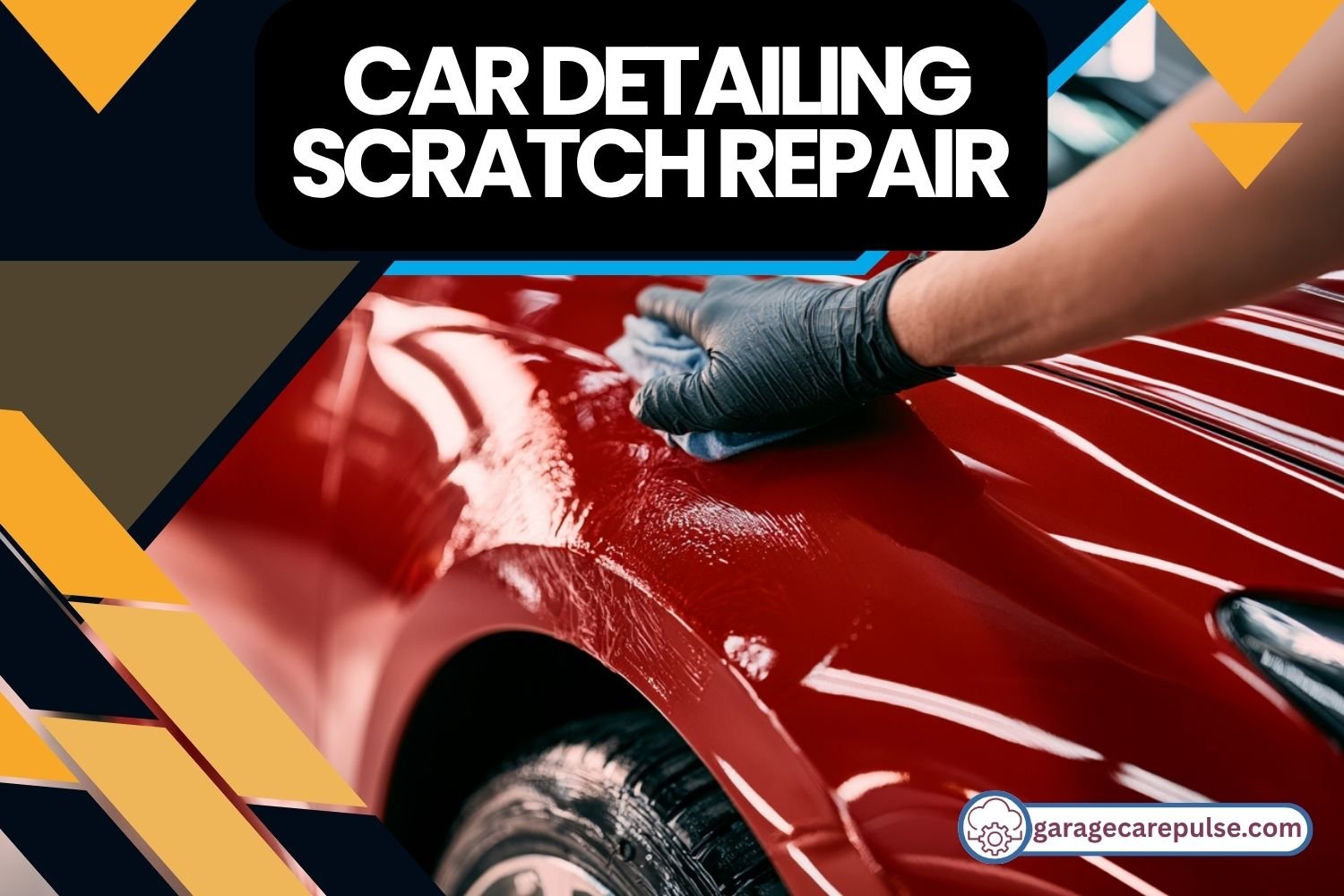
Car detailing scratch repair helps U.S. vehicle owners remove minor paint imperfections and restore a smooth, glossy exterior finish. Common scratches come from tree branches, fingernails, improper washing, and everyday parking lot contact. The right repair method depends on the scratch depth and whether it has damaged the clear coat, base paint, or primer. Light surface marks may improve with polishing or rubbing compound, while deeper scratches may require touch-up paint or professional refinishing. A simple fingernail test can help identify scratches that need more than basic polishing. Professional detailers use paint-safe compounds, polishing pads, and specialized machines to correct surface defects. However, excessive polishing or aggressive sanding can remove too much clear coat and cause further damage. Service prices vary depending on the affected area, paint condition, and number of correction stages required. Comparing mobile detailing services with professional studios can help you find the right option. Regular washing, proper drying, and careful paint protection can also reduce future scratches and preserve your vehicle’s appearance.
Comprehensive Breakdown of Understanding Car Detailing Scratch Repair Standards
Understanding how standard Car Detailing Scratch Repair: Compounding, Polishing & Guide requirements involve recognizing scratch depth tiers, correction choices, required studio tools, and safety protocols helps you evaluate your precise paint restoration needs:
Damage Category: The failure tier. Action: Highlights frequent issues including shallow clear coat scuffs, moderate base coat lines, deep primer-level gouges, and parking lot transfer marks.
Component Location Category: The hardware tier. Action: Focuses on evaluating door handle cups, side body panels, hoods, fenders, and quarter panels.
Tool and Equipment Category: The diagnostic tier. Action: Accounts for dual-action polishers, digital paint thickness gauges, micro-fine wet sandpaper, and LED inspection lights.
Core Benefit Evaluation: As outlined in expert automotive detailing guidelines, following structured car detailing scratch repair methods ensures your vehicle maintains mirror-like gloss and exterior market value while protecting personal finances.
Master Cost and Performance Matrix: Car Detailing Scratch Repair Benchmarks
To help you benchmark localized polishing, wet sanding, and multi-panel correction services across Car Detailing Scratch Repair: Compounding, Polishing & Guide configurations, the following table outlines repair scopes, technical data, and motorist actions:
| Detailing Scratch Repair Service | Primary Scope & Procedure | Estimated U.S. Cost Range | Recommended Motorist Action |
| Localized Scratch Polishing | Machine polishing shallow clear coat scuffs and door handle fingernail scratches. | $100 – $250 | Utilize localized machine polishing for superficial surface scuffs that do not catch fingernails |
| Deep Scratch Wet Sanding & Compounding | Fine wet sanding and rotary compounding to level out moderate paint scratches. | $250 – $600 | Entrust moderate base coat scratches to professional detailers equipped with wet sanding tools |
| Touch-Up Paint Filling & Leveling | Filling deep primer-level scratches with color-matched paint and micro-leveling. | $150 – $400 | Seal raw steel or grey primer exposure immediately using precision color-matched touch-up paint |
| Multi-Panel Scratch Correction & Seal | Correcting scratches across multiple side panels and sealing with ceramic protection. | $600 – $1,400+ | Combine multi-panel scratch removal with high-grade ceramic coatings for long-term finish protection |
Key Legal and Workshop Safety Elements Affecting Paint Correction and Chemical Compliance
Handling micro-abrasive polishing compounds, operating electric dual-action polishers, and managing chemical surface prep requires strict compliance with industry standards and safety regulations, as navigating detailing scratch repairs demands careful attention:
Clear Coat Thickness and Safety Standards: National automotive preservation guidelines. Action: Always measure factory paint thickness with a digital gauge before compounding to prevent accidental clear coat burn-through.
Personal Protective Equipment (PPE) Compliance: Technical health rules. Action: Wear protective eyewear and nitrile gloves when handling isopropyl alcohol and heavy-cut micro-abrasive compounds.
Chemical Disposal and Workshop Safety: Environmental compliance standards. Action: Dispose of used microfiber towels and polishing pads responsibly, ensuring chemical residues are managed safely.
Professional Studio Warranty Verification: Before authorizing extensive paint correction work, request a clear breakdown of service guarantees and ceramic coating durability terms.
Level Assessment and Workspace Urgency
Before exploring Car Detailing Scratch Repair: Compounding, Polishing & Guide operational guidelines, evaluate why prompt inspection and strict adherence to service intervals prevent minor clear coat scuffs from turning into permanent base coat failures:
Monitor ($0): Micro-marring or faint swirl marks visible only under direct sunlight with zero fingernail resistance.
Service Soon ($100 – $250 correction cost): Shallow clear coat scuffs or door handle fingernail scratches; schedule a professional polishing session to restore gloss.
Urgent Repair ($150 – $400 repair cost): Moderate scratches catching your fingernail or exposing grey primer; apply touch-up paint filling before moisture causes corrosion.
Immediate Studio Attention ($600 – $1,400+ correction cost): Extensive multi-panel scratching across side doors and quarter panels requiring advanced wet sanding and ceramic sealing.
Required Tools and Equipment for Detailing Scratch Repair Execution
Whether you are measuring paint depth or buffing out sanding marks, having the proper studio equipment ensures precise execution of Car Detailing Scratch Repair: Compounding, Polishing & Guide evaluation tasks:
| Repair Tool / Supply | Primary Purpose for Detailing Scratch Work | Estimated U.S. Price |
| Digital Paint Thickness Gauge | Measures microscopic clear coat and paint depth safely. | $150 – $400 |
| Dual-Action Polisher & Cutting Pads | Safely corrects swirl marks and scratch edges without holograms. | $200 – $500 |
| Micro-Abrasive Cutting Compound | Levels clear coat edges around scratch grooves. | $20 – $50 |
Step-by-Step Guide: Professional Execution of Detailing Scratch Repair Workflow
Follow these structured steps to ensure your execution of Car Detailing Scratch Repair: Compounding, Polishing & Guide guidelines provides a thorough and systematic approach to managing your vehicle’s paint restoration:
Cleaning and Paint Depth Inspection
Wash and decontaminate the scratch area, then use a digital paint gauge to measure surrounding clear coat thickness.
Technician Sign: 1. Action: Ensures sufficient clear coat exists to safely perform machine compounding without burning through.
Wet Sanding (If Necessary)
For moderate scratches that catch the fingernail, carefully level surrounding clear coat edges using 2000 to 3000-grit wet sandpaper.
Technician Sign: 2. Action: Flattens sharp scratch ridges smoothly before mechanical polishing.
Machine Compounding and Polishing
Use a dual-action polisher with a microfiber cutting pad and micro-abrasive compound to remove sanding marks and restore clarity.
Technician Sign: 3. Action: Eliminates microscopic surface imperfections and brings back deep paint reflection.
IPA Wipe and Protective Coating
Wipe the panel with isopropyl alcohol to remove polishing residue, then apply a protective ceramic sealant or wax.
Technician Sign: 4. Action: Strips polishing oils to verify true scratch removal and locks in long-term gloss.
LED Inspection and Final Polish
Review the corrected paint under specialized LED lighting, applying a finishing polish if micro-marring remains.
Technician Sign: 5. Action: Guarantees a flawless, mirror-like finish across the entire treated body panel.
Customer Handover and Maintenance Briefing
Review completed detailing work with the client, explain wash safety guidelines, and hand over the keys.
Technician Sign: 6. Action: Provides total client satisfaction and ensures proper ongoing care for the newly corrected paint.
Regional Considerations and Climate Environments
Regional geography and weather extremes across the United States place unique physical demands on vehicle paint correction and protective coatings, directly impacting your interpretation and reliance on any Car Detailing Scratch Repair: Compounding, Polishing & Guide reference:
Southern Sunbelt UV Exposure: Intense sun oxidizes touch-up paint quickly, requiring protective sealants to prevent premature fading.
Northern Winter Road Salt: Unsealed deep scratches exposed to road salt rust rapidly, making prompt scratch repair mandatory.
High Humidity Regions: Slows down paint touch-up curing times in outdoor mobile detailing environments.
Frequently Asked Questions
- What is car detailing scratch repair?
Car detailing scratch repair involves machine compounding, wet sanding, and touch-up filling to eliminate surface scratches without full panel repainting. - How much does professional scratch repair cost?
Professional scratch repair services range from $100 to $300 for localized polishing, and $450 to $1,200+ for extensive multi-panel correction. - How do I know if a scratch can be buffed out?
Perform the fingernail test: if your fingernail does not catch in the groove, the scratch is in the clear coat and can be buffed out. - Can deep scratches that expose metal be detailed out?
No. Scratches exposing bare metal or primer require precision touch-up paint filling or traditional body shop repainting to prevent rust. - Does scratch polishing remove factory clear coat?
Yes, machine compounding removes microscopic layers of clear coat to level out the scratch, which is why professional paint depth measurement is essential. - Are car detailing scratch repairs covered by insurance?
Cosmetic scratches are generally not covered, but scratches resulting from vandalism or collisions may be covered under comprehensive auto policies. - How long does a professional scratch repair take?
Localized scratch polishing takes 1 to 2 hours, while comprehensive multi-panel scratch correction takes 4 hours to a full day. - Can I fix car scratches myself with a DIY kit?
Yes, minor clear coat scratches can be addressed with retail polishing kits, though professional detailers achieve flawless results.
Final Practical Takeaway
Car detailing scratch repair provides an efficient, cost-effective way to restore your vehicle’s exterior finish and eliminate unsightly scuffs without repainting. With U.S. pricing spanning from $100 to over $1,200, hiring a certified detailer preserves your car’s appearance and market value. Evaluate scratch depth promptly, utilize professional compounding techniques, and maintain immaculate vehicle finishes on every U.S. roadway.