Introduction
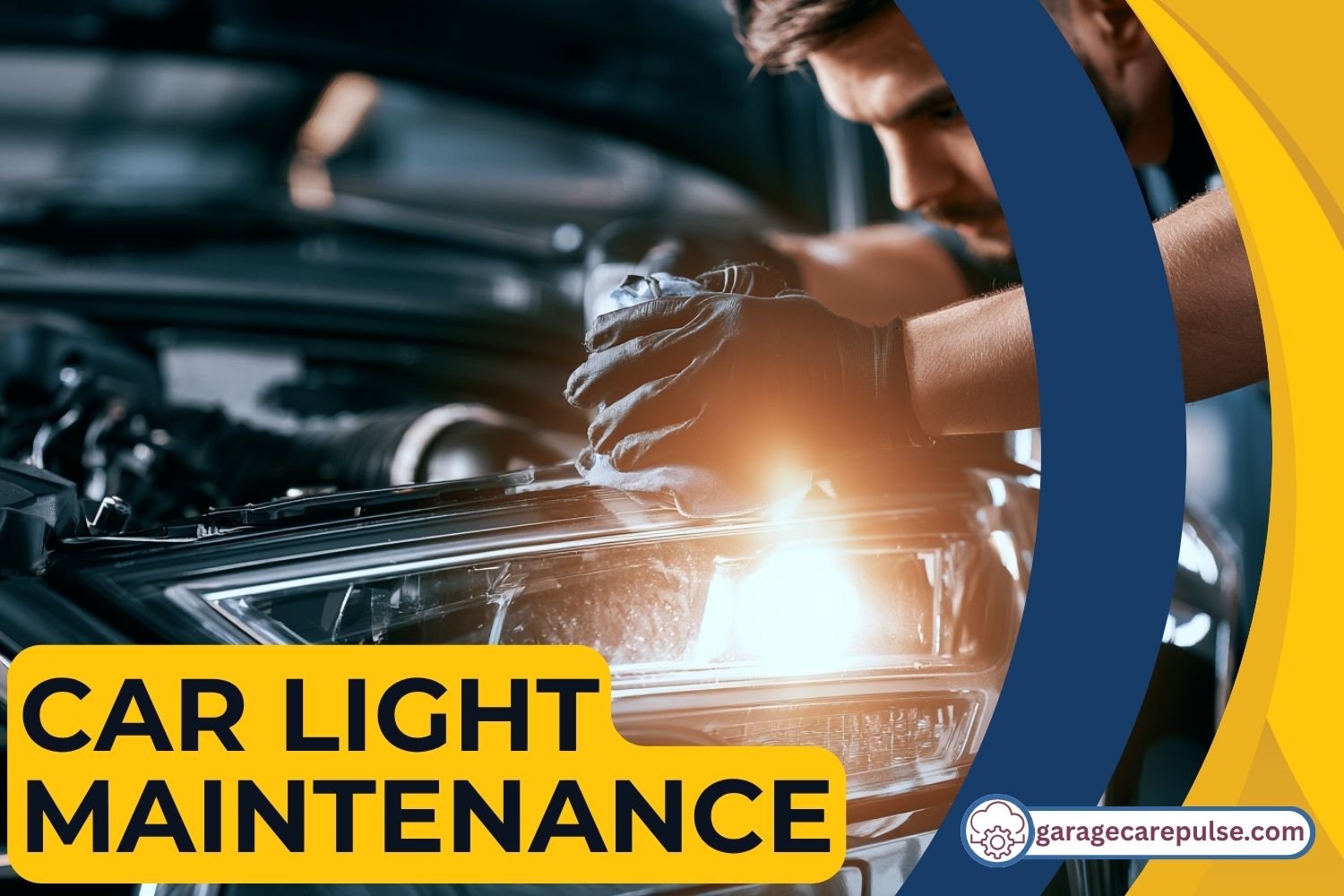
Car light maintenance helps keep your vehicle’s lighting system safe, visible, and compliant with applicable road regulations. Regular inspections should cover headlights, high beams, turn signals, brake lights, and license plate lamps to identify burned-out bulbs or electrical issues. Other important tasks include cleaning oxidized headlight lenses, replacing faulty halogen or LED bulbs, and checking headlight alignment for proper road coverage. While some cleaning and bulb replacements can be completed at home, professional service may be necessary for complex electrical faults or precise beam adjustments. By checking your lights regularly and addressing problems promptly, you can improve nighttime visibility, support safer driving, and avoid unexpected repair expenses.
The Critical Importance of Automotive Lighting Safety
Proper vehicle lighting is vital for safe night driving, adverse weather visibility, and communicating driver intentions to surrounding motorists. Over time, incandescent and halogen filaments burn out, electrical fuses degrade, and intense ultraviolet (UV) sunlight bakes plastic headlight covers into a yellow, opaque haze. Start by identifying your specific needs. Foggy or dim headlights reduce night illumination distance by up to 80%, severely compromising reaction times when avoiding highway road debris or pedestrians. Implementing a disciplined car light maintenance schedule guarantees maximum illumination and prevents costly state inspection rejections. Look for durable materials, simple application processes, robust warranty coverage, and verified compatibility with your specific vehicle electrical system. When evaluating options to manage car light maintenance, consider how each lighting module handles everyday environmental stress and regional weather extremes. Evaluating the core purpose of your service prevents unexpected night-driving hazards and ensures you select maintenance paths that genuinely protect your safety. This meticulous approach to lighting inspection allows drivers to enjoy safe nighttime travel without forcing the vehicle into a neglected state that compromises visibility or control.
| Maintenance Interval | Required Lighting Maintenance Task | Safety & Visibility Purpose | Typical Cost Range (USD) |
| Bi-Monthly / Every 2 Months | Test all exterior lights with a helper (brakes, turn signals, high beams). | Ensures immediate communication of driving intentions to other motorists. | $0 (DIY check) |
| Annually / Before Winter | Inspect headlight lenses for hazing; check bulb brightness & aim. | Restores night-driving illumination distance and prevents dark spots. | $0 – $25 (Tools/Check) |
| Every 1 to 2 Years | Restore oxidized yellow plastic lenses & apply UV sealant coat. | Eliminates light scatter caused by cloudy polycarbonate covers. | $15 – $40 (Kit/Service) |
| As Needed (Bulb / Fuse Burnout) | Replace burned-out halogen/LED bulbs or blown electrical fuses. | Restores legal exterior lighting and prevents police traffic citations. | $15 – $35 (Bulbs) |
| Pre-State Inspection Check | Verify license plate lamp, reverse lights, and amber reflectors | Ensures full compliance with local Department of Motor Vehicles regulations | $10 – $20 |
Selecting high-grade components and tools ensures that your execution of car light maintenance withstands rigorous daily use across American roads.
Chemical Mechanics Based Modern Rubber Film and Tires
Modern radial tires and custom vehicle protection films installed on your car are engineered using sophisticated synthetic rubber compounds, polymer chains, and specialized additives designed to contain high-pressure air or shield exterior paint safely. When evaluating options related to car light maintenance, understanding how proper material construction supports chassis weight prevents excessive thermal breakdown during highway driving and long-distance travel. The chemical stability of modern technical polymers also ensures that wet traction and impact resistance remain optimized throughout changing U.S. seasonal climates, maintaining vehicle security under load. Regular maintenance and proper cleaning maintain these chemical interactions, ensuring safe operational limits across all weather conditions.
The 5 Core Pillars of Car Light Maintenance
Maintain optimal automotive visibility by managing these five essential lighting care modules when reviewing car light maintenance:
Bi-Monthly Exterior Light Functional Checks: Inspect all exterior lamps every two months—including low beams, high beams, parking lights, turn signals, hazard flashers, brake lights, reverse lights, and license plate bulbs. Better alternatives generally provide improved safety, simpler inspection routines, and higher resistance to unexpected bulb failure. For U.S. owners who drive through rain, snow, coastal humidity, or strong summer sunlight, corrosion resistance and electrical sealing are essential.
Polycarbonate Lens Restoration & UV Sealing: Sanding, compounding, and polishing oxidized, yellowed plastic headlight covers every 1 to 2 years, followed by a protective UV clear coat sealant to maintain crystal-clear light projection.
Safe Halogen & LED Bulb Replacement Protocols: Replacing burned-out bulbs promptly. When handling quartz-halogen bulbs, never touch the glass envelope with bare fingers; skin oils create hot spots that cause premature bulb failure.
Headlight Beam Aim & Alignment Adjustments: Calibrating headlight beam height and horizontal angle against a garage wall to ensure proper road illumination without blinding oncoming drivers.
Fuse Box & Electrical Wiring Inspections: Checking under-hood and cabin fuse panels when multiple lights fail simultaneously, replacing blown fuses with identical amperage ratings. Suspension layout, frame reinforcement, and accessory positioning were optimized to maximize structural integrity without sacrificing lighting component accessibility.
| Lighting Maintenance Pillar | Operational Mechanism | Preventive Action Required | Typical Tool / Material Cost (USD) |
| 1. Functional Checks | Filament burnout and switch degradation | Test all exterior lamps bi-monthly with a helper | $0 (Helper required) |
| 2. Lens Restoration | UV solar oxidation of polycarbonate plastic | Sand, polish, and apply UV sealant every 1–2 years | $15 – $30 (Restoration kit) |
| 3. Bulb Replacement | Quartz-halogen tungsten filament aging | Replace bulbs in pairs without touching glass | $15 – $35 (Halogen pair) |
| 4. Beam Alignment | Adjuster screw vibration and chassis settling | Calibrate beam height against flat garage wall | $0 (Phillips screwdriver) |
| 5. Fuse Inspection | Electrical short circuits and current spikes | Inspect fuse panels and replace blown fuses | $5 – $15 (Fuse assortment) |
DIY Light Maintenance vs. Professional Shop Service
Vehicle owners can easily handle basic bulb replacements and lens restoration kits at home, whereas complex multi-bulb wiring harness tracing requires professional shop tools when managing car light maintenance. Custom-fit financial and service choices usually provide a clearer service picture, superior component lifespan, and fewer unexpected expenses compared to generic alternatives. When evaluating car light maintenance, checking tasks Best Delegated to Certified Mechanics—such as diagnosing parasitic electrical draws, repairing damaged wiring harnesses, servicing HID xenon ballast control modules, and calibrating advanced LED matrix headlights—ensures total electrical awareness. Furthermore, simplified digital planning and robust service menus make DIY bulb swaps highly accessible for everyday car owners.
| Lighting Maintenance Task | DIY Difficulty & Safety Level DOCX+ 2 | Professional Shop Pathway DOCX+ 2 | Typical Cost Range (USD) DOCX+ 1 |
| Headlight Bulb Replacement | Easy / Safe (Basic hand tools, 15 mins) | Auto parts store / Quick shop ($20 – $40 labor) | $15 – $75 |
| Headlight Lens Restoration Kit | Moderate / Caution (Sandpaper & polish, 45 mins) | Professional detail shop ($75 – $130) | $15 – $130 |
| Headlight Aim Adjustment | Moderate / Caution (Phillips screwdriver against wall) | Independent repair shop ($50 – $90) | $0 – $90 |
| Electrical Harness & Relay Repair | Advanced / Complex (Requires multimeter & wiring diagrams) | Certified auto electrical center ($120 – $250) | $120 – $250 |
| HID Ballast / LED Matrix Module Swap | Advanced / Specialized | Dealership or specialist shop ($200 – $400) | $250 – $700+ |
Simple Step-by-Step Installation Rules
Walk Around and Test Exterior Lights: Walk around your car and test all exterior lights with a helper today to initiate your car light maintenance routine.
Curing and Drying Times: Allow newly applied ceramic UV clear coat sealants to cure in direct sunlight for 24 hours before exposing the vehicle to moisture or car washes.
Never Touch Quartz-Halogen Glass: Never touch quartz-halogen headlight bulb glass with bare fingers, as skin oils leave microscopic grease residue that superheats when the light is turned on, causing the glass to shatter prematurely.
Inspect Housing Vent Seals: Check housing vent seals and O-rings regularly to prevent internal moisture condensation and electrical corrosion. Read the manufacturer’s instructions before starting electrical work. Disconnect vehicle power sources when required and secure all components so they do not interfere with wiring harnesses.
Maintenance and Care Tips
Financial planning frequency and repair monitoring depend on driving conditions, geographic climate, and exposure to intense ultraviolet sunlight. Keep repair invoices, warranty information, and service schedules for future reference. Inspect periodic maintenance milestones and independent shop pricing schedules on a regular schedule to maintain financial awareness. Evaluate vehicle wear patterns before committing to major high-mileage overhauls.
U.S. Regional Climate Impact on Car Lighting
Geographic weather conditions across the United States dictate specific lighting maintenance priorities when managing car light maintenance: Sunbelt and Desert Southwest regions feature intense desert sunlight that bakes and yellows polycarbonate headlight lenses much faster than temperate climates, requiring drivers to apply ceramic UV sealants biannually. Balancing where and how you service your vehicle is one of the most effective ways to lower your annual cost of ownership in the USA. Budget products can meet basic short-term needs, but premium preventative care items often prevent catastrophic failures and provide better overall value through improved reliability and stronger warranties. Balancing initial repair costs against expected lifespan helps you maximize the long-term utility of your vehicle investments.
| U.S. Region / Climate | Primary Environmental Stressor DOCX+ 4 | Recommended Lighting Maintenance Adjustment DOCX+ 2 | Typical Local Repair Impact DOCX+ 2 |
| Sunbelt / Desert Southwest | Intense ultraviolet (UV) solar radiation | Apply ceramic UV clear coat sealants biannually | Prevents rapid lens yellowing |
| Northern / Salt Belt States | Sub-zero cold and high humidity condensation | Check housing vent seals and O-rings for moisture leaks | Avoids internal housing fogging |
| Coastal / High Humidity Zones | Salty, humid air causing socket corrosion | Apply dielectric grease to exterior bulb sockets | Protects electrical connections |
| Dense Urban Corridors | High-vibration gridlock and rough pavement | Check headlight aim alignment and secure mounting tabs | Prevents beam jitter and glare |
| Mountainous / Alpine Passes | Rapid temperature shifts and heavy fog | Ensure high-beam and fog light bulbs are fully operational | Enhances low-visibility safety |
Potential Drawbacks and Consideration Factors
Certain contract terms, such as strict warranty compliance clauses or specialized electronic diagnostic requirements, add substantial financial risk if not reviewed carefully. Premium dealership service networks carry higher hourly labor rates compared to independent pay-as-you-go alternatives. Finding available appointment flexibility can also require advance scheduling during peak seasonal rush times. Additionally, deferring minor maintenance items can cause compounding mechanical failures that multiply future repair bills.
Common Misunderstandings About Automotive Add-Ons
A frequent misconception is that professional headlight restoration is permanent, whereas chemical polishing removes the degraded factory UV layer, meaning lenses will oxidize again within 1 to 2 years unless a fresh UV clear coat sealant is applied when evaluating car light maintenance. Another myth is that any aftermarket LED bulb can be plugged into a halogen headlight housing, whereas unapproved LED bulbs scatter light blindingly in reflector housings and often violate state vehicle safety laws. Understanding these distinctions clarifies why technical accuracy and correct parts selection bridge the gap between an unsafe night-driving hazard and fully compliant vehicle lighting.
Frequently Asked Questions
- What is included in proper car light maintenance?
Proper car light maintenance includes bi-monthly exterior light checks, bulb replacements, foggy lens restoration, beam aim alignment, and fuse box inspections. - How do you restore yellow, foggy car headlights?
Restore foggy headlights by wet-sanding the plastic lens with fine-grit sandpaper (1000 to 3000 grit), compounding and polishing to optical clarity, and sealing with a UV clear coat. - How often should automotive headlight and taillight bulbs be replaced?
Halogen bulbs typically last 500 to 1,000 hours and should be replaced when dim or burned out, always replacing halogen headlights in pairs to ensure even beam brightness. - Can misaligned headlights cause a state safety inspection failure?
Yes, headlights aimed too high blind oncoming drivers, while headlights aimed too low reduce road visibility, and both conditions can result in a state safety inspection failure. - Why do my car headlights get foggy or yellow on the outside?
Headlights turn yellow because manufacturers make lenses out of polycarbonate plastic protected by a factory UV clear coat, and over time, UV sunlight bakes and destroys this coating. - Can I upgrade my halogen headlights to LED bulbs?
Many aftermarket LED conversion bulbs exist, but you must ensure they are DOT-compliant and projector-compatible so they focus light correctly without blinding oncoming traffic. - Why is my turn signal blinking twice as fast as usual?
A rapid blinking turn signal (hyper-flash) indicates that one of the turn signal bulbs on that side is burned out or has lost electrical connection. - What should I do if my headlights keep burning out prematurely?
Premature bulb burnout is usually caused by touching the glass bulb with bare fingers, a faulty alternator overcharging the electrical system, or loose wiring vibration.
Final Practical Takeaway
Mastering car light maintenance is the single best way to protect your nighttime visibility and ensure absolute compliance with U.S. state safety inspection laws. By walking around your car bi-monthly to test exterior lamps, restoring foggy polycarbonate lenses with UV clear coat sealants, replacing quartz-halogen bulbs without touching the glass, and checking fuse panels promptly when electrical faults occur, you secure long-term vehicle safety. Taking time to verify your vehicle service pricing and following a structured evaluation ensures maximum safety, comfort, and financial performance year-round. By prioritizing quality financial assessments, verifying exact bulb specifications, and evaluating your real-world driving habits, understanding car light maintenance guarantees a cleaner, safer, and more economical journey on every trip.