Introduction
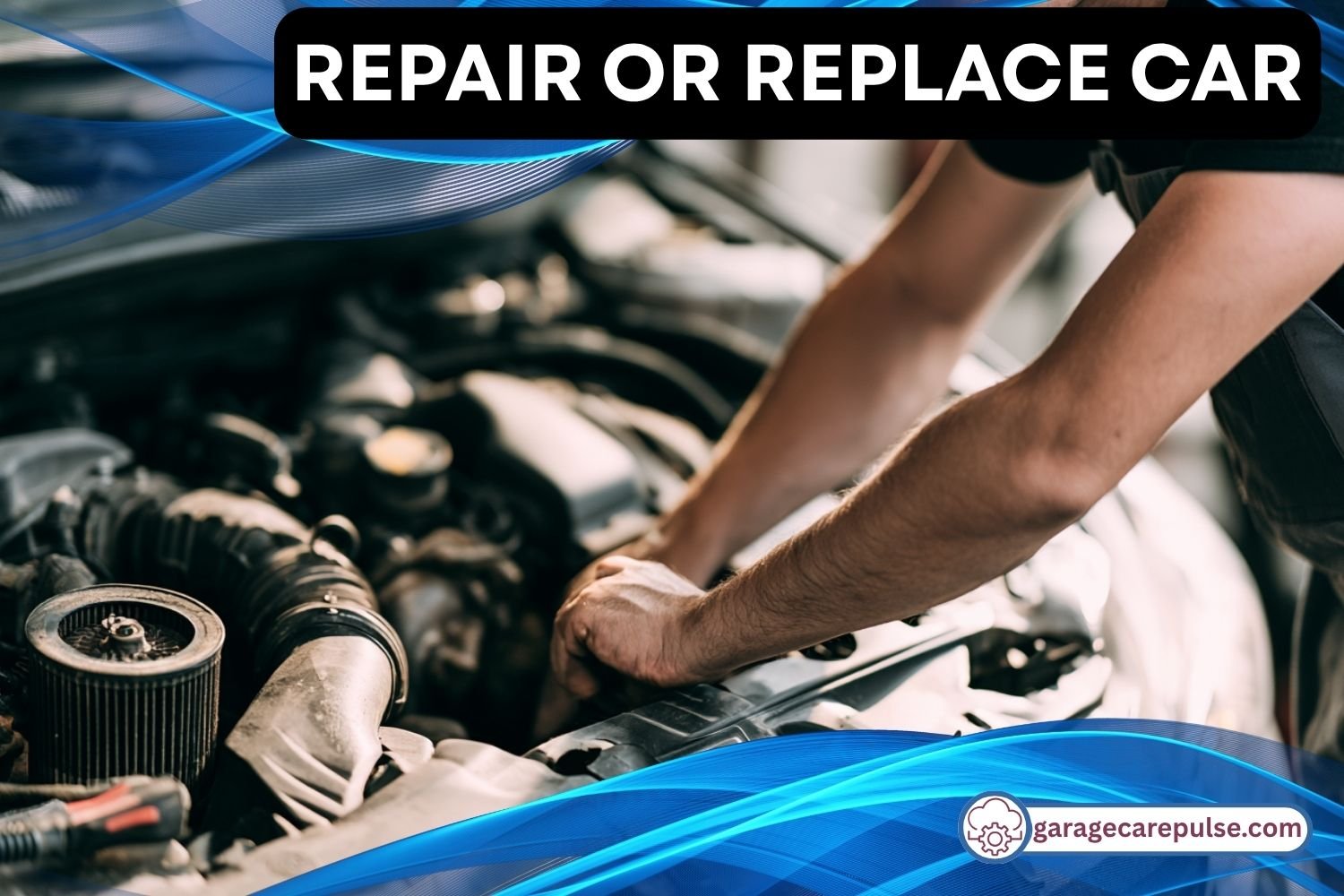
Deciding whether to repair or replace car can be difficult when an older vehicle develops a major mechanical problem. A failing transmission, blown head gasket, or worn suspension can lead to expensive repair bills, making it tempting to purchase another vehicle. However, replacing your car may also mean taking on a new loan, higher insurance costs, and additional ownership expenses.
Before making a decision, compare the estimated repair costs with your vehicle’s current value, expected reliability, and the cost of buying a replacement. Consider its overall condition, mileage, maintenance history, and likelihood of future breakdowns. This practical approach helps U.S. drivers make a cost-conscious choice that fits their budget and transportation needs.
The Significance of the Safety Assessment: Symptoms and Warning Signs
For U.S. vehicle owners navigating major mechanical failures, recognizing when your car is entering a chronic failure cycle helps guide your replacement timeline. Before taking on a multi-year car loan or approving expensive transmission overhauls, evaluating whether your vehicle is safe to repair or represents a severe safety concern prevents wasted restoration spending. Start by identifying your specific tracking and organizational preferences. Setting aside predictable time for scheduled services ensures your vehicle receives necessary attention without throwing off your household cash flow, and factoring in component aging prevents frustration when minor parts eventually fail.
Look for durable materials, simple application processes, robust warranty coverage, and verified compatibility with your specific vehicle framework. When evaluating options to manage your schedule based on whether to repair or replace car, consider how each service tier handles everyday commuting stress and regional shop pricing tiers. Evaluating the core purpose of your planning prevents unexpected financial crunches and ensures you select documentation paths that genuinely protect your vehicle investment. This meticulous approach to routine schedule management allows drivers to enjoy dependable transportation without forcing an unprepared breakdown that compromises safety.
| Financial Tool / Rule DOCX | Purpose DOCX | Benchmark / Cost DOCX | Typical Cost Range (USD) DOCX |
| The 50% Rule Test | Comparing total repair cost against the current market trade-in value of your vehicle | If repair > value, lean toward replacing | Variable by value |
| The Car Payment Test | Comparing your estimated monthly repair cost averaged over 12 months vs a new car payment | New U.S. car payment avg: $500–$700/mo | $500 – $700 / mo |
| Kelley Blue Book / Edmunds | Checking accurate regional market value and trade-in pricing for your exact car make/model | Free online valuation tool | $0 (Free Tool) |
| Independent Mechanic Inspection | Getting an unbiased second opinion on remaining vehicle lifespan before approving expensive repairs | $100 – $150 diagnostic fee | $100 – $150 |
| Chronic Recurring Breakdowns Check | Immediate check | $0 | $0 |
Selecting high-grade budgeting and financial habits ensures that your preparation for understanding whether to repair or replace car investments withstands rigorous financial scrutiny across American vehicle ownership cycles.
Chemical Mechanics Based Modern Rubber Film and Tires
Modern radial tires and custom vehicle protection films installed on your car are engineered using sophisticated synthetic rubber compounds, polymer chains, and specialized additives designed to contain high-pressure air or shield exterior paint safely. When evaluating options related to whether to repair or replace car assemblies, understanding how proper material construction supports chassis weight prevents excessive thermal breakdown during highway driving and long-distance travel. The chemical stability of modern technical polymers also ensures that wet traction and impact resistance remain optimized throughout changing U.S. seasonal climates, maintaining vehicle security under load. Regular maintenance and proper cleaning maintain these chemical interactions, ensuring safe operational limits across all weather conditions.
Automotive powertrains, structural frame steels, and rubber seals operate under precise physical and mechanical laws. Over years of high-mileage operation exceeding 150,000 to 200,000 miles, multiple accessories, gaskets, and transmission components reach end-of-life. Furthermore, severe weather and road salt exposure across northern Rust Belt states cause accelerated corrosion that eats through brake lines and structural suspension frames. Professional mechanics and financial analysts utilize vehicle valuation guides, diagnostic inspection fees, and annualized repair formulas to evaluate whether these worn mechanical interfaces justify ongoing investment. Understanding these material and mechanical characteristics explains why objective financial testing is mandatory for making sound repair or replacement decisions.
Common Factors That Influence Repair or Replace Car Decisions Explained
Several critical variables determine the final decision required when examining whether to repair or replace car assets. Key financial and mechanical factors to incorporate include:
Repair Cost vs. Current Market Value (The 50% Rule): The 50% rule states that if the cost of repairing your car is greater than 50% of the vehicle’s current market value ($1,500 to $4,000 for major repairs), you should seriously consider putting that money toward a replacement vehicle instead. Better alternatives generally provide independent mechanic inspections ($100–$150 diagnostic fee) to get an unbiased second opinion on remaining vehicle lifespan. For U.S. owners who want predictable budgeting, assessing repair cost ratios is essential.
Monthly Car Payments vs. Annualized Repairs: Comparing your estimated monthly repair cost averaged over 12 months against a new U.S. car payment average ($500–$700 per month) reveals whether keeping your fully paid-off vehicle is truly more economical than taking on a multi-year auto loan. Suspension layout, frame reinforcement, and accessory positioning were optimized to maximize structural integrity without sacrificing technician diagnostic access.
| Cost Factor Category DOCX | Pricing Variable & Scope DOCX | Price Range Variation DOCX | Operational Impact DOCX |
| Major Repair Overhaul Cost | Major transmission or engine replacement on an older car | $1,500 to $4,000 total | Triggers 50% rule evaluation against vehicle market value |
| New U.S. Car Loan Payment | Monthly financing obligation for purchasing a replacement vehicle | $500 to $700+ per month | Creates long-term multi-year financial commitments |
| Replacement Car Insurance | Increased premium costs for full-coverage auto insurance on newer cars | $150 to $300 per month | Adds hidden monthly ownership overhead expenses |
| Independent Diagnostic Inspections | Professional mechanic assessment of remaining engine lifespan | $100 to $150 fee | Provides objective mechanical condition data |
| No-Payment Savings | Driving a fully paid-off older vehicle with occasional repairs | $0 car payment | Preserves household cash flow and avoids depreciation loss |
Financial Impact: Repairing Paid-Off Cars vs. Taking on New Car Loans
Comparing average U.S. ownership costs highlights pricing expectations across repairing an older paid-off vehicle and financing a new car when calculating financial impacts associated with whether to repair or replace car options. Custom-fit financial and vehicle choices usually provide a clearer budgeting picture, superior component predictability, and fewer unexpected expenses compared to generic averages.
When evaluating whether to repair or replace car investments, checking factors like major repair costs ($1,500–$4,000) versus replacement car payments ($500–$700+ per month) ensures total financial awareness. Furthermore, recognizing that vehicle depreciation is the single greatest cost of car ownership protects vehicle owners’ budgets from unnecessary vehicle replacement expenses.
| Cost-Saving Method DOCX | Actionable Description DOCX | Estimated Monthly Impact DOCX | Operational Impact DOCX |
| Maintaining Paid-Off Vehicles | Keep driving an older paid-off car and pay for occasional major repairs ($1,500–$4,000 range). | Avoids steep multi-year car loan payments ($500–$700/mo) and rapid depreciation. | Maximum financial savings |
| Independent Mechanic Inspections | Obtain unbiased second opinions on remaining vehicle lifespan before approving repairs. | Prevents wasting money on dying powertrains ($100–$150 diagnostic fee). | Objective mechanical appraisal |
| Dedicated Car Repair Funds | Stash away $100 every month into a dedicated vehicle maintenance fund | Prepares household budget for surprise mechanical fixes | Financial cushion creation |
| Meticulous Record Keeping | Keep physical or digital copies of all repair estimates and valuation logs | Protects vehicle resale value and proves professional maintenance | Financial equity preservation |
Simple Step-by-Step Installation Rules
Professional financial evaluation or supervising mechanic inspections require following strict safety procedures and analytical standards when exploring whether to repair or replace car options:
Get Itemized Repair Quote: Obtain a detailed, itemized written estimate from your mechanic for the required repair work to support your understanding of whether to repair or replace car assets.
Curing and Drying Times: Allow any temporary diagnostic sealants or battery recharges to settle completely before conducting final test drives or market evaluations.
Always Check Current Vehicle Market Value: Check online valuation sites (KBB or Edmunds) to determine what your car is currently worth on the open market in its current condition.
Utilize Annualized Repair Cost Formulas: Multiply your expected repair cost by 12 months, noting that if that annual repair cost is lower than 12 months of new car payments ($6,000–$8,400), repairing is usually cheaper.
Save All Service Invoices and Warranty Documents: Save your mechanic repair estimates, online valuation printouts, and itemized shop invoices in a dedicated binder or digital logbook to maintain comprehensive service records, protect financial records, and maximize future vehicle resale value.
Maintenance and Care Tips
Financial planning frequency and repair monitoring depend on driving conditions, geographic climate, and exposure to vehicle wear stress. Keep repair invoices, warranty information, and service schedules for future reference. Inspect periodic maintenance milestones and independent shop pricing schedules on a regular schedule to maintain financial awareness. Evaluate vehicle wear patterns before committing to major high-mileage overhauls.
Building consistent habits around your automobile transforms vehicle ownership planning from an overwhelming burden into an effortless routine. Keep a dedicated vehicle maintenance fund, stashing away $100 every month to cover surprise mechanical repairs. When minor fluid leaks or warning noises appear, address them immediately; tracking service milestones so you can anticipate major service intervals (spark plugs, timing belts, water pumps) prevents minor issues from triggering catastrophic engine or transmission failure. Additionally, remember that dealerships have wholesale access to mechanics and parts, so you should not overspend on retail repairs expecting a dollar-for-dollar trade-in value boost.
Regional U.S. Climate Considerations for Repair or Replace Car Decisions
Geographic location across the United States introduces unique environmental stressors that alter what is required for proper repair or replace car evaluations: In northern Rust Belt states, heavy road salt rusts structural frames and brake lines prematurely, often making older cars unsafe to repair, whereas in sun-belt states, vehicles suffer less rust but experience rubber degradation, electrical sensor failures, and sun-baked interior wear from intense heat. Balancing where and how you service your vehicle is one of the most effective ways to lower your annual cost of ownership in the USA.
Budget products can meet basic short-term needs, but premium preventative care items often prevent catastrophic failures and provide better overall value through improved reliability and stronger warranties. Balancing initial repair costs against expected lifespan helps you maximize the long-term utility of your vehicle investments.
Adhering to a strict preventive maintenance schedule minimizes environmental climate stress across all regional driving conditions.
| U.S. Driving Region / Condition DOCX | Environmental Stress Factor DOCX | Repair or Replace Adaptation Strategy DOCX | Typical Regional Impact DOCX |
| Northern Rust Belt States | Winter road salt corroding structural unibody frames and brake lines | Inspect undercarriage frames rigorously before approving major repairs | Identifies structural safety hazards that mandate replacement |
| Southern Sunbelt States | Intense UV heat and sun-baked interior wear accelerate rubber aging | Prioritize mechanical repairs over cosmetic issues on sun-damaged cars | Preserves reliable mechanical operation in hot climates |
| Preventative Maintenance Funds | Monthly contributions toward surprise mechanical repair bills | Lower long-term financial shock ($100 monthly budgeting intervals) | Eases cash flow management for vehicle upkeep |
| High-Altitude Mountain Zones | Steep grade climbs testing transmission and cooling durability | Evaluate powertrain wear against replacement costs at 150k miles | Guides retirement timing for worn drivetrains |
| High-Dust Agricultural Corridors | Airborne dust fouling air filters and electrical sensors | Replace filters regularly to extend accessory lifespan | Reduces minor sensor failure frequency |
Potential Drawbacks and Consideration Factors
Certain contract terms, such as strict warranty compliance clauses or specialized electronic diagnostic requirements, add substantial financial risk if not reviewed carefully. Premium dealership service networks carry higher hourly labor rates compared to independent pay-as-you-go alternatives. Finding available appointment flexibility can also require advance scheduling during peak seasonal rush times. Additionally, deferring minor maintenance items can cause compounding mechanical failures that multiply future repair bills.
Common Misunderstandings About Automotive Add-Ons
A frequent misconception when evaluating whether to repair or replace car assets is that fixing an old car is always a waste of money once it passes 100,000 miles, whereas in most cases, keeping an older car and paying for occasional repairs is significantly cheaper than taking on a new car payment, because vehicle depreciation is the single greatest cost of car ownership.
Another myth is that you should fix your car completely before trading it in to get a full return on investment, whereas dealerships have wholesale access to mechanics and parts, meaning they can fix minor issues cheaper than you can retail, so you should not overspend on repairs expecting a dollar-for-dollar trade-in value boost. Understanding these distinctions clarifies why technical accuracy and financial math bridge the gap between emotional mistakes and sound automotive ownership.
Frequently Asked Questions
- What is the 50% rule for car repair vs replacement?
The 50% rule states that if the cost of repairing your car is greater than 50% of the vehicle’s current market value, you should seriously consider putting that money toward a replacement vehicle instead. - Is it cheaper to fix an old car or replace it?
In most cases, keeping an older car and paying for occasional repairs is significantly cheaper than taking on a new car payment, because vehicle depreciation is the single greatest cost of car ownership. - When does a car become a financial money pit?
A car becomes a money pit when repair bills happen so frequently that your monthly repair expenses consistently match or exceed the average monthly payment of a reliable replacement vehicle. - Does car insurance increase when replacing a car?
Yes, insuring a newer replacement vehicle usually costs significantly more than insuring an older, paid-off car because collision and comprehensive coverage payouts are much higher for newer cars. - Should I fix my car before trading it in?
Usually no, as dealerships have wholesale access to mechanics and parts, meaning they can fix minor issues cheaper than you can retail, so do not overspend on repairs expecting a dollar-for-dollar trade-in value boost. - How many miles is too many for a modern car?
Modern U.S. cars easily surpass 150,000 to 200,000 miles if maintained diligently, though maintenance frequency and repair bills naturally increase as mileage climbs. - How do I know if my car engine is dying?
Signs of a dying engine include persistent low oil pressure, heavy blue smoke from the tailpipe, internal coolant leaks (blown head gasket), and metal shavings found in engine oil during changes. - What are the hidden costs of replacing a car?
Beyond the monthly loan payment, replacing a car introduces higher auto insurance premiums, state sales tax, dealer documentation fees, and rapid first-year depreciation losses.
Final Takeaway
Ultimately, deciding whether to repair or replace car options requires a careful comparison of repair costs, current market value, vehicle safety, and long-term ownership expenses. Review your vehicle’s service history, obtain reliable repair estimates, and consider your actual driving needs before making a decision. Prioritize essential preventive maintenance, address recurring mechanical problems promptly, and keep detailed service records to avoid unnecessary expenses. By weighing the financial and practical benefits of repairing your existing vehicle against purchasing another one, you can make a smarter investment, maintain reliable transportation, and protect your long-term financial stability.