Introduction
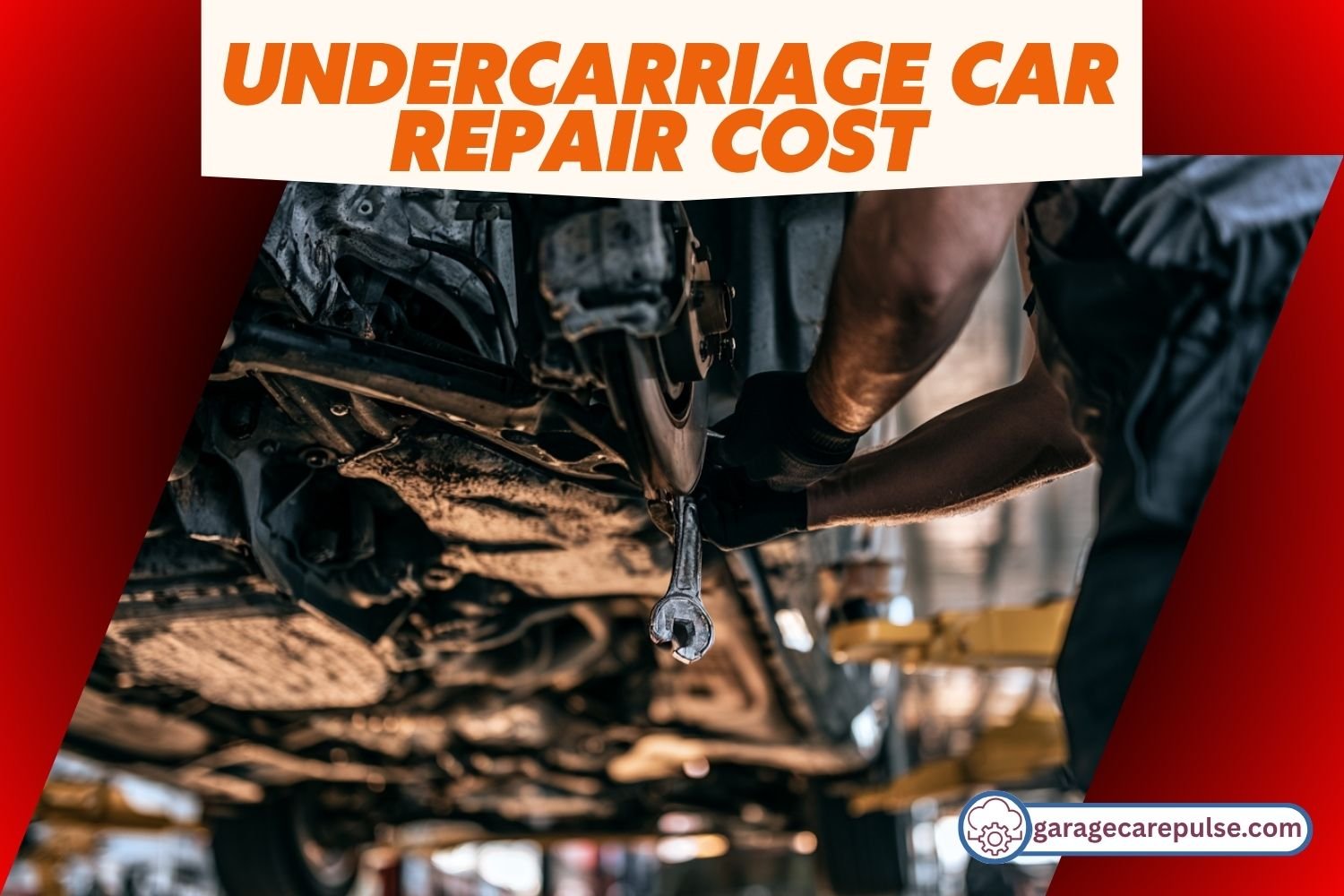
Researching the undercarriage car repair cost is essential when your vehicle suffers bottom-out damage from deep potholes, unpaved terrain, or road debris. Because the undercarriage houses vital components like the exhaust system, suspension linkages, fuel lines, and the structural frame, damage down below can range from a minor plastic shield replacement to a major multi-thousand-dollar overhaul. When U.S. vehicle owners evaluate the undercarriage car repair cost, they want to know how breaking down average U.S. costs for suspension parts, exhaust repairs, and frame fixes helps you evaluate mechanic estimates and manage your auto repair budget.
In the United States, utilizing a structured approach to assessing the undercarriage car repair cost ensures that motorists can monitor bottom-of-car damage symptoms, evaluate independent shop labor rates versus dealership pricing tiers, and avoid unexpected financial strain when underbody maintenance comes due. Across ownership cycles, auto mechanics, professional collision estimators, and consumer finance researchers have fine-tuned the balance between tracking predictable baseline service items and evaluating complex structural frame overhauls. Understanding these national undercarriage repair standards and cost frameworks enables U.S. vehicle owners to establish accurate, cost-conscious repair and budgeting strategies.
The Significance of the Safety Assessment: Symptoms and Signs of Undercarriage Damage
For U.S. vehicle owners navigating bottom-of-car damage, catching undercarriage damage early prevents secondary component failures and dangerous handling issues. Before booking an appointment at an auto service center or approving expensive component replacements, evaluating whether a symptom stems from a dragging splash guard or a leaking oil pan prevents wasted diagnostic spending. Start by identifying your specific tracking and organizational preferences. Setting aside predictable time for scheduled services ensures your vehicle receives necessary attention without throwing off your household cash flow, and factoring in component aging prevents frustration when minor parts eventually fail.
Look for durable materials, simple application processes, robust warranty coverage, and verified compatibility with your specific vehicle framework. When evaluating options to manage your schedule based on undercarriage car repair cost guidelines, consider how each service tier handles everyday commuting stress and regional shop pricing tiers. Evaluating the core purpose of your planning prevents unexpected financial crunches and ensures you select documentation paths that genuinely protect your vehicle investment. This meticulous approach to routine schedule management allows drivers to enjoy dependable transportation without forcing an unprepared breakdown that compromises safety.
| Undercarriage Repair Service DOCX | Average U.S. Cost Range DOCX | Labor & Time Investment DOCX | Typical Cost Range (USD) DOCX |
| Plastic Splash Guard / Skid Plate Replacement | $100 – $300 | 30 – 60 minutes | $100 – $300 |
| Exhaust Pipe / Muffler Repair or Replacement | $150 – $600 | 1 – 3 hours | $150 – $600 |
| Control Arm & Ball Joint Replacement (Per Side) | $250 – $600 | 2 – 4 hours | $250 – $600 |
| Engine Oil Pan Replacement | $300 – $900 | 2 – 5 hours | $300 – $900 |
| Scraping or Hanging Noises Check | Immediate check | $0 | $0 |
Selecting high-grade budgeting and planning habits ensures that your preparation for understanding the undercarriage car repair cost withstands rigorous financial scrutiny across American vehicle ownership cycles.
Chemical Mechanics Based Modern Rubber Film and Tires
Modern radial tires and custom vehicle protection films installed on your car are engineered using sophisticated synthetic rubber compounds, polymer chains, and specialized additives designed to contain high-pressure air or shield exterior paint safely. When evaluating options related to undercarriage car repair costs, understanding how proper material construction supports chassis weight prevents excessive thermal breakdown during highway driving and long-distance travel.
The chemical stability of modern technical polymers also ensures that wet traction and impact resistance remain optimized throughout changing U.S. seasonal climates, maintaining vehicle security under load. Regular maintenance and proper cleaning maintain these chemical interactions, ensuring safe operational limits across all weather conditions.
Exhaust systems, oil pans, suspension linkages, and structural frame rails operate under precise physical and mechanical laws. When a vehicle bottoms out over deep potholes or road debris, physical impact forces bend steel subframes, crack aluminum oil pans, and rupture rubber exhaust hangers.
Professional auto mechanics utilize hydraulic vehicle hoists, 3D optical laser alignment racks, MIG/TIG welding rigs, and calibrated torque wrench sets to service these compromised underbody components. Understanding these material and mechanical characteristics explains why professional shop equipment and precise engineering standards are mandatory for restoring undercarriage safety and structural integrity.
Common Factors That Influence Undercarriage Car Repair Cost Pricing Explained
Several critical variables determine the final quote or service investment required when examining undercarriage car repair cost estimates. Key pricing factors to incorporate include:
Severity of Impact and Component Scope: Minor plastic splash guard or skid plate replacements cost $100 to $300, whereas bent subframes, damaged exhaust systems, or engine oil pan replacements range from $300 to $900+. Better alternatives generally provide professional underbody inspections on a hydraulic hoist to separate minor shield damage from structural frame issues. For U.S. vehicle owners who want predictable budgeting, assessing impact severity is essential.
Component Location and Labor Complexity: Replacing easily accessible bolt-on splash guards takes minutes, while dropping subframes, replacing control arms ($250–$600 per side), or servicing steering racks requires hours of intensive mechanic labor. Suspension layout, frame reinforcement, and accessory positioning were optimized to maximize structural integrity without sacrificing underbody shop service access.
| Cost Factor Category DOCX | Pricing Variable & Scope DOCX | Price Range Variation DOCX | Operational Impact DOCX |
| Severity of Impact | Surface plastic scratches vs. crushed exhaust and cracked oil pans | $100 to $900+ total | Dictates whether simple shielding or major component replacement is required |
| Labor Complexity & Access | Bolt-on splash guards vs. dropping subframes for major steering/suspension work | 30 minutes to 5 hours | Governs overall professional service labor billing hours |
| Control Arm & Ball Joints | Replacing impact-damaged suspension linkages per side | $250 to $600 per side | Restores safe directional steering and suspension geometry |
| Exhaust System Repairs | Patching or replacing cracked pipes, catalytic converters, and mufflers | $150 to $600 range | Eliminates loud exhaust roars and dangerous fumes |
| Hydraulic Hoist Usage | Elevating entire cars to inspect frame rails and exhaust | Professional shop equipment | Enables safe and thorough underbody evaluations |
Financial Impact: Minor Shield Replacements vs. Major Subframe Overhauls
Comparing average U.S. repair costs highlights pricing expectations across minor cosmetic shield fixes and major structural overhauls when calculating expenses associated with the undercarriage car repair cost. Custom-fit financial and vehicle choices usually provide a clearer budgeting picture, superior component predictability, and fewer unexpected expenses compared to generic averages.
When evaluating undercarriage car repair cost, checking factors like plastic splash guard replacements ($100–$300) versus engine oil pan replacements ($300–$900) ensures total financial awareness. Furthermore, choosing prompt repairs for scraping shields protects vehicle owners’ budgets from catastrophic oil starvation and secondary engine damage.
| Cost-Saving Method DOCX | Actionable Description DOCX | Estimated Monthly Impact DOCX | Operational Impact DOCX |
| Prompt Shield Securing | Secure or replace dragging plastic splash guards before they tear off entirely ($100–$300 range). | Prevents secondary road hazard damage and high repair bills. | Cost-effective underbody upkeep |
| Exhaust Pipe MIG Welding | Utilize professional MIG welding to patch cracked exhaust pipes instead of full replacement. | Saves significant money on exhaust system maintenance ($150–$600 range). | Economical exhaust repair |
| Post-Pothole Inspections | Inspect undercarriages immediately after hitting severe potholes or debris | Prevents hidden fluid leaks and sudden engine seizures | Proactive damage mitigation |
| Meticulous Record Keeping | Keep physical or digital copies of all undercarriage repair estimates and insurance claims | Protects vehicle resale value and proves professional maintenance | Financial equity preservation |
Simple Step-by-Step Installation Rules
Professional automotive service or supervising shop repairs require following strict safety procedures and mechanical standards when exploring undercarriage car repair cost guidelines:
Visual Inspection on a Lift: Have a technician elevate the vehicle on a hydraulic hoist to inspect every square inch of the underbody to support your understanding of undercarriage car repair cost factors.
Curing and Drying Times: Allow newly applied exhaust sealants, silicone oil pan gaskets, and welded joints to cure fully before operating the vehicle at high highway speeds.
Always Check for Fluid Leaks and Cracks: Examine oil pans, transmission housings, and brake lines thoroughly for dents, punctures, or active fluid leaks.
Utilize Computerized Alignment Checks: If suspension components like control arms or ball joints were replaced, ensure a computerized four-wheel alignment is included to restore proper geometry.
Save All Service Invoices and Warranty Documents: Save your repair estimates, alignment printouts, and itemized shop invoices in a dedicated binder or digital logbook to maintain comprehensive service records, protect warranty validity, and maximize future vehicle resale value.
Maintenance and Care Tips
Financial planning frequency and repair monitoring depend on driving conditions, geographic climate, and exposure to road hazards. Keep repair invoices, warranty information, and service schedules for future reference. Inspect periodic maintenance milestones and independent shop pricing schedules on a regular schedule to maintain financial awareness. Evaluate vehicle wear patterns before committing to major high-mileage overhauls.
Building consistent habits around your vehicle’s undercarriage transforms maintenance from an overwhelming burden into an effortless routine. Consider installing aftermarket aluminum or steel skid plates if you frequently drive on rough unpaved roads. When scraping noises, steering pull, or fluid puddles appear, address them immediately; tracking service milestones prevents minor bottom-out scrapes from turning into catastrophic engine or frame failures. Additionally, never crawl under a car supported only by a hydraulic floor jack; always verify locking jack stands before performing any work.
Regional U.S. Climate Considerations for Undercarriage Car Repair Cost
Geographic location across the United States introduces unique environmental stressors that alter what is required for proper undercarriage car repair cost maintenance: Road salt accumulation across northern Salt-Belt states rusts underbody bolts, skid plate fasteners, and exhaust hangers, increasing labor time during repairs, while rural and mountainous states with unpaved gravel roads increase the frequency of stone impacts against oil pans and lower suspension arms.
Balancing where and how you service your vehicle is one of the most effective ways to lower your annual cost of ownership in the USA. Budget products can meet basic short-term needs, but premium preventative care items often prevent catastrophic failures and provide better overall value through improved reliability and stronger warranties. Balancing initial repair costs against expected lifespan helps you maximize the long-term utility of your vehicle investments.
Adhering to a strict preventive maintenance schedule minimizes environmental climate stress across all regional driving conditions.
| U.S. Driving Region / Condition DOCX | Environmental Stress Factor DOCX | Undercarriage Repair Adaptation Strategy DOCX | Typical Regional Impact DOCX |
| Northern Salt-Belt States | Road salt accumulation rusting underbody bolts, skid plates, and exhaust hangers | Inspect underbodies frequently and apply anti-rust protective coatings | Prevents seized fastener hardware and exhaust rust failure |
| Rural & Mountainous States | Unpaved gravel roads increase stone impacts against oil pans and control arms | Install heavy-duty aluminum or steel skid plates for underbody protection | Avoids oil pan punctures and lower suspension damage |
| Preventative Undercarriage Checks | Regular hydraulic hoist inspections and fluid leak checks | Lower long-term repair spending ($100–$300 shield intervals) | Catches bottom-out damage early |
| High-Speed Highway Corridors | High-velocity travel testing aerodynamic splash guard stability | Secure loose plastic clips and fasteners during routine oil changes | Prevents dragging shields on highways |
| Urban Pothole Zones | Pothole-laden city streets stressing suspension linkages and frames | Perform professional alignment checks after severe impacts | Preserves steering control and tire life |
Potential Drawbacks and Consideration Factors
Certain contract terms, such as strict warranty compliance clauses or specialized electronic diagnostic requirements, add substantial financial risk if not reviewed carefully. Premium dealership service networks carry higher hourly labor rates compared to independent pay-as-you-go alternatives. Finding available appointment flexibility can also require advance scheduling during peak seasonal rush times. Additionally, deferring minor maintenance items can cause compounding mechanical failures that multiply future repair bills.
Common Misunderstandings About Automotive Add-Ons
A frequent misconception when evaluating undercarriage car repair cost estimates is that ignoring dragging plastic splash guards is harmless, whereas leaving plastic splash guards dragging until they tear off entirely or catch on road debris creates hazardous road conditions and risks secondary damage.
Another myth is that a wheel alignment is optional after undercarriage suspension work, whereas failing to align wheels after replacing control arms or tie rods destroys new tires within weeks. Understanding these distinctions clarifies why technical accuracy and selecting professional underbody repairs bridge the gap between amateur mistakes and safe vehicle operation.
Frequently Asked Questions
- What is the average undercarriage car repair cost for bottom-out damage?
Minor plastic shield replacements cost $100 to $300, while suspension and oil pan repairs range from $300 to $900+ across the United States. - Can I drive my car with a damaged undercarriage splash guard?
You can drive short distances if it is only plastic, but if it is dragging on the ground, it should be secured or removed immediately to avoid highway hazards. - Does car insurance cover undercarriage damage?
Comprehensive or collision insurance may cover undercarriage damage if you hit a large pothole, animal, or road debris, subject to your deductible. - How do I know if my car’s frame is bent after bottoming out?
A professional inspection on a laser alignment rack is required to check unibody and frame rail straightness following severe bottom impacts. - What causes a car to scrape its undercarriage?
Common causes include driving over deep potholes, steep driveway ramps, excessive vehicle weight, or worn sagging suspension springs. - Are aftermarket undercarriage skid plates worth it?
Yes, steel or aluminum skid plates provide exceptional protection for oil pans and transmission housings if you frequently drive on rough terrain. - How long does an undercarriage inspection take at a repair shop?
A thorough visual inspection on a hydraulic lift typically takes between 15 and 30 minutes. - Can a cracked exhaust pipe be welded instead of replaced?
In many cases, professional MIG welding can patch cracked exhaust pipes or reattach loose hangers at a fraction of the cost of a full replacement.
Final Takeaway
Ultimately, understanding your undercarriage car repair cost helps you make informed maintenance decisions, avoid unexpected expenses, and keep your vehicle safe and roadworthy. Schedule timely inspections, prioritize essential repairs to components such as the exhaust, splash guard, and suspension, and address fluid leaks or unusual scraping noises immediately. Keep accurate service records and follow a maintenance schedule based on your vehicle’s mileage and condition. By choosing a reliable repair shop, verifying repair estimates, and postponing non-essential cosmetic upgrades, you can control repair expenses, protect your vehicle’s long-term performance, and enjoy a safer, more dependable driving experience.