
Introduction
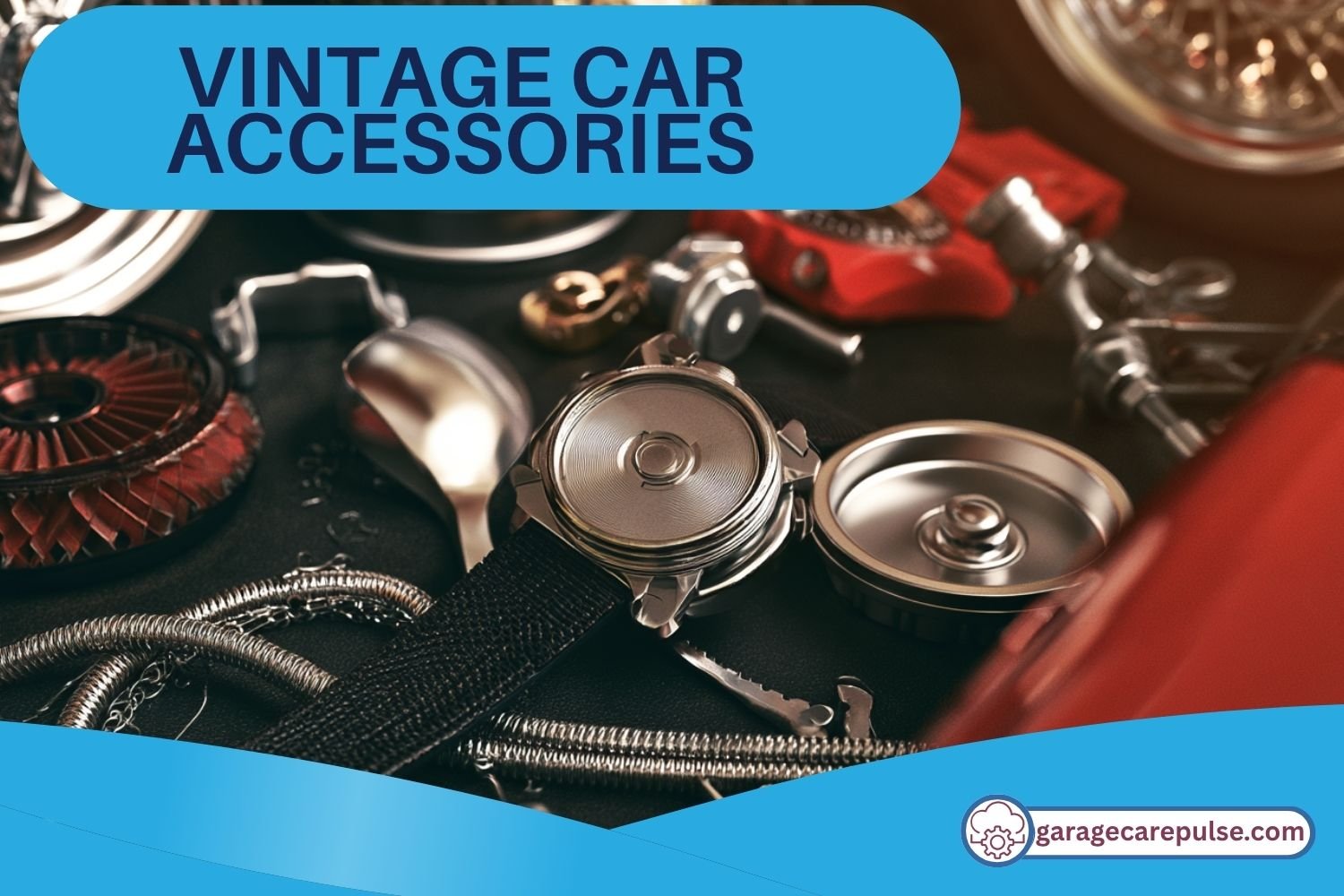
Vintage car accessories help classic car owners preserve authentic styling while improving comfort and everyday usability. Popular choices include wood-grain steering wheels, chrome shift knobs, retro-style Bluetooth radios, sisal floor mats, and period-inspired dashboard details. Whether restoring a classic muscle car, vintage truck, or mid-century European model, it is important to consider historical accuracy, material quality, vehicle compatibility, and local climate conditions. Well-chosen accessories can complement a vehicle’s original design while helping protect upholstery and interior surfaces from dirt, moisture, and everyday wear. By balancing period-correct details with practical functionality, owners can maintain their car’s distinctive character and enjoy a more comfortable driving experience.
Key Factors When Selecting This Accessory
Selecting authentic retro additions requires evaluating material authenticity, historical accuracy, and precise vehicle dimensions to guarantee seamless integration when choosing vintage car accessories. Universal items offer flexibility, but classic car enthusiasts must prioritize components that withstand UV solar exposure, temperature swings, and frequent handling without losing their authentic period-correct patina. Start by identifying your specific needs. Compatibility verification represents a primary consideration, as it prevents structural modifications to original dashboard panels and ensures safety components operate without interference during highway transit. Evaluating material durability standards is another major factor, ensuring high-traffic zones within classic cars resist abrasion, tearing, and chemical degradation from heat. Look for durable materials, simple application processes, robust warranty coverage, and verified compatibility with your specific classic vehicle cabin. When evaluating options for vintage car accessories, consider how each item handles everyday wear and tear and regional weather extremes. Evaluating the core purpose of your purchase prevents clutter and ensures you select items that genuinely improve your classic driving routine. This meticulous engineering of heritage cabin upgrades allows drivers to enjoy exceptional styling without forcing the vehicle into an impractical setup that compromises safety or control.
| Accessory Category | Primary Material | Best Historical Application | Typical Price (USD) |
| Steering Wheels | Mahogany & Polished Steel | Mid-Century Muscle & Sports Cars | $150 – $400 |
| Floor Protection | Heavy-Ribbed Rubber / Sisal | All-Weather Antique Preservation | $50 – $150 |
| Audio Upgrades | Anodized Chrome & Analog Face | Hidden Modern Tech Integration | $200 – $500 |
| Shift Knobs | Bakelite & Polished Chrome | Manual Transmission Classic Styling | $30 – $90 |
| Upholstery Trim | Period-Correct Vinyl & Cloth | Door panels and seat restoration | $100 – $350 |
Selecting high-grade components ensures that your vintage car accessories withstand rigorous use across American roads and car shows.
Chemical Mechanics-Based Modern Rubber Film and Tires
Modern radial tires and custom vehicle protection films installed on your car are engineered using sophisticated synthetic rubber compounds, polymer chains, and specialized additives designed to contain high-pressure air or shield exterior paint safely. When evaluating options for vintage car accessories, understanding how proper material construction supports chassis weight prevents excessive thermal breakdown during highway driving and long-distance travel. The chemical stability of modern technical polymers also ensures that wet traction and impact resistance remain optimized throughout changing U.S. seasonal climates, maintaining vehicle security under load. Regular maintenance and proper cleaning maintain these chemical interactions, ensuring safe operational limits across all weather conditions.
Material and Build Quality Comparison
Material science dictates how long vintage car accessories survive extreme temperature fluctuations inside parked classic vehicles during summer heatwaves or freezing winters. Genuine wood veneers, polished chrome bezels, and heavy-grain vinyl provide superior historical authenticity compared to modern plastic composite substitutes. Better materials generally provide improved durability, simpler cleaning routines, and higher resistance to temperature fluctuations. For U.S. owners who drive through rain, snow, coastal humidity, or strong summer sunlight, corrosion resistance and UV protection are essential. Selecting traditional manufacturing compounds prevents warping under thermal expansion while maintaining structural integrity over years of showcase exhibitions and weekend drives. Suspension layout, frame reinforcement, and accessory positioning were optimized to maximize structural integrity without sacrificing handling precision.
| Accessory Tier | Primary Material | Historical Asset Impact | Typical Price (USD) |
| Reproduction Small Parts | $30 – $90 | Visual Nostalgia | $30 – $90 |
| Mid-Tier Retro Upgrades | $100 – $350 | Enhanced Comfort & Style | $100 – $350 |
| Museum-Grade Restoration | 400 – $1,200+ | Maximum Show Value | $400 – $1,200+ |
| Bakelite Trim | Phenolic resin molding | Dashboard and steering accents | $40 – $120 |
| Sisal Matting | Natural woven agave fiber | Classic European floor protection | $60 – $160 |
Universal Versus Custom Fitment Options
Universal vintage products provide accessible retro styling designed to fit a wide range of classic vehicle configurations with minimal adjustment needed when shopping for vintage car accessories. Custom period-correct accessories utilize exact historical dimensions to deliver precise edge-to-edge protection for antique floorboards and dashboard layouts. Custom-fit accessories usually provide a cleaner appearance, superior interior integration, and fewer installation issues compared to generic alternatives. When shopping for vintage car accessories, checking dimensions and investing in precision-engineered components eliminates shifting hazards near floor pedals, ensuring safe vehicle operation during classic club rallies and weekend tours. Furthermore, simplified digital planning and robust mounting architectures make accessory integration highly accessible for everyday drivers.
| Fitment Type | Coverage Precision | Installation Effort | Typical Application |
| Universal Retro Fit | Moderate (Adjustable Brackets) | Low (Drop-In Ready) | Universal steering covers and mats |
| Semi-Custom Fit | Good (Vehicle-Specific Mounts) | Medium (Secure Fit) | Retro radios and speakers |
| Exact Reproduction | Authentic Factory Match | Medium-High (Precision Alignment) | Molded floor mats and dash bezels |
| Model-Specific Tray | Exact Storage Bin Shape | Drop-in tier placement | Center console organizer |
| Universal Vent Clip | Standard Louver Blade | Push-fit louver clamp | Smartphone holder |
Simple Step-by-Step Installation Rules
Surface Preparation and Cleaning: Proper surface preparation ensures secure accessory attachment, preventing movement during vehicle operation and maintaining clean antique cabin interfaces by cleaning installation zones with specialized interior wipes to remove residues.
Curing and Drying Times: Allow cleaned dashboard and floorboard surfaces to air-dry thoroughly for two minutes before applying adhesive backing or mounting clips to establish maximum long-term bonding strength.
Securing Vintage Hardware and Alignment: Following manufacturer torque guidelines and alignment protocols guarantees secure setup without damaging sensitive antique dashboard wiring or delicate trim components.
Validating Electronics and Fit: Test retro Bluetooth stereos and electrical components with the vehicle engine running to verify stable voltage output and proper circuit integration. Read the manufacturer’s instructions before starting installation. Disconnect vehicle power sources when required and secure all components so they do not interfere with electrical panels or original steering columns.
Maintenance and Care Tips
Cleaning frequency depends on driving conditions, weather, and exposure to cabin dust and sunlight. Keep receipts, warranty information, and installation instructions for future reference. Inspect retention clips, mounting brackets, and leather conditioning schedules periodically for wear on a regular schedule to maintain safety and appearance. Replace worn accessories before they fail or tear.
Expected Price Ranges and Value Metrics
Accessory pricing scales based on historical accuracy, artisan craftsmanship, and rare material quality when shopping for vintage car accessories, ranging from economical reproduction add-ons to premium restorations. Baseline products deliver immediate visual nostalgia, while high-end investments protect primary antique surfaces against permanent wear and structural degradation. Budget products can meet basic short-term needs, but premium accessories often last longer and provide better overall value through improved construction and stronger manufacturer warranties. Balancing initial purchase costs against expected lifespan helps you maximize the long-term utility of your vehicle investments.
| Accessory Tier | Average Cost Range | Historical Asset Impact | Recommended For |
| Reproduction Small Parts | $30 – $90 | Visual Nostalgia | Knobs, bezels, and small trim accents |
| Mid-Tier Retro Upgrades | $100 – $350 | Enhanced Comfort & Style | Steering wheels and floor mats |
| Museum-Grade Restoration | 400 – $1,200+ | Maximum Show Value | Custom retro audio and upholstery |
Potential Drawbacks and Consideration Factors
Certain heavy-duty accessories, such as solid wood-rim steering wheels or heavy cast-chrome radio units, add substantial weight or alter dashboard mounting stress if not installed properly. Premium vintage gear carries higher upfront purchase prices compared to basic aftermarket alternatives. Finding available inventory for specific period-correct factory accessory packages can also require advance ordering through specialized classic car parts distributors. Additionally, improper wiring adaptation can cause electrical shorts in vintage glass-fuse fuse boxes.
Common Misunderstandings About Automotive Add-Ons
A frequent misconception is that all aftermarket add-ons interfere with historical authenticity; however, quality vintage car accessories like hidden Bluetooth retro radios are designed to integrate seamlessly without disrupting original dashboard styling or cutting visible panels. Another myth is that universal options perform identically to exact reproduction parts, whereas reproduction options offer vastly superior historical accuracy and fitment. Understanding these distinctions clarifies why material science and correct fitment bridge the gap between a generic modification and an authentic restoration.
Frequently Asked Questions
- What are the best vintage car accessories?
Essential additions include wood-grain steering wheels, retro-look Bluetooth radios, classic floor mats, and chrome shift knobs. - How do I restore a classic car interior?
Source authentic reproduction upholstery, condition dry leather seats with natural oils, and replace worn dash trim carefully. - Are retro radio upgrades available for old cars?
Yes, modern stereo units disguised in classic analog faceplates allow hidden Bluetooth connectivity in antique dashboards. - How do I protect antique leather seats?
Use high-grade conditioning balms containing UV inhibitors and park under shaded structures during intense summer heat. - Can custom-fit vintage car accessories help protect resale value?
Yes. Quality protective accessories help reduce interior wear and tear, which supports strong resale value when the vehicle is well maintained. - Are replacement parts readily available for popular car accessories across the U.S.?
Yes, major automotive parts stores and online distributors universally stock replacement mounting hardware and components nationwide. - When do mechanics recommend inspecting accessory mounting hardware?
Mechanics recommend checking all clips, brackets, and steering components after the first few months of use and annually thereafter to prevent loosening. - What should I prioritize buying first when restoring a classic car interior?
Start with accessories that improve safety and daily operation, such as secure steering wheels and protective floor mats, before investing in secondary cosmetic upgrades.
Final Practical Takeaway
Equipping your classic vehicle with authentic vintage car accessories enhances driving enjoyment while preserving historical integrity for years of exhibition ahead. Prioritizing verified compatibility, superior material standards, and proper installation protocols ensures maximum return on your classic automotive investments. By carefully evaluating material specifications and matching accessories to your specific driving environment, you create a comfortable, customized driving experience. By prioritizing quality materials, verifying exact fitment, and evaluating your real-world driving habits, selecting the right vintage car accessories guarantees a cleaner, safer, and more enjoyable journey on every trip.