Introduction
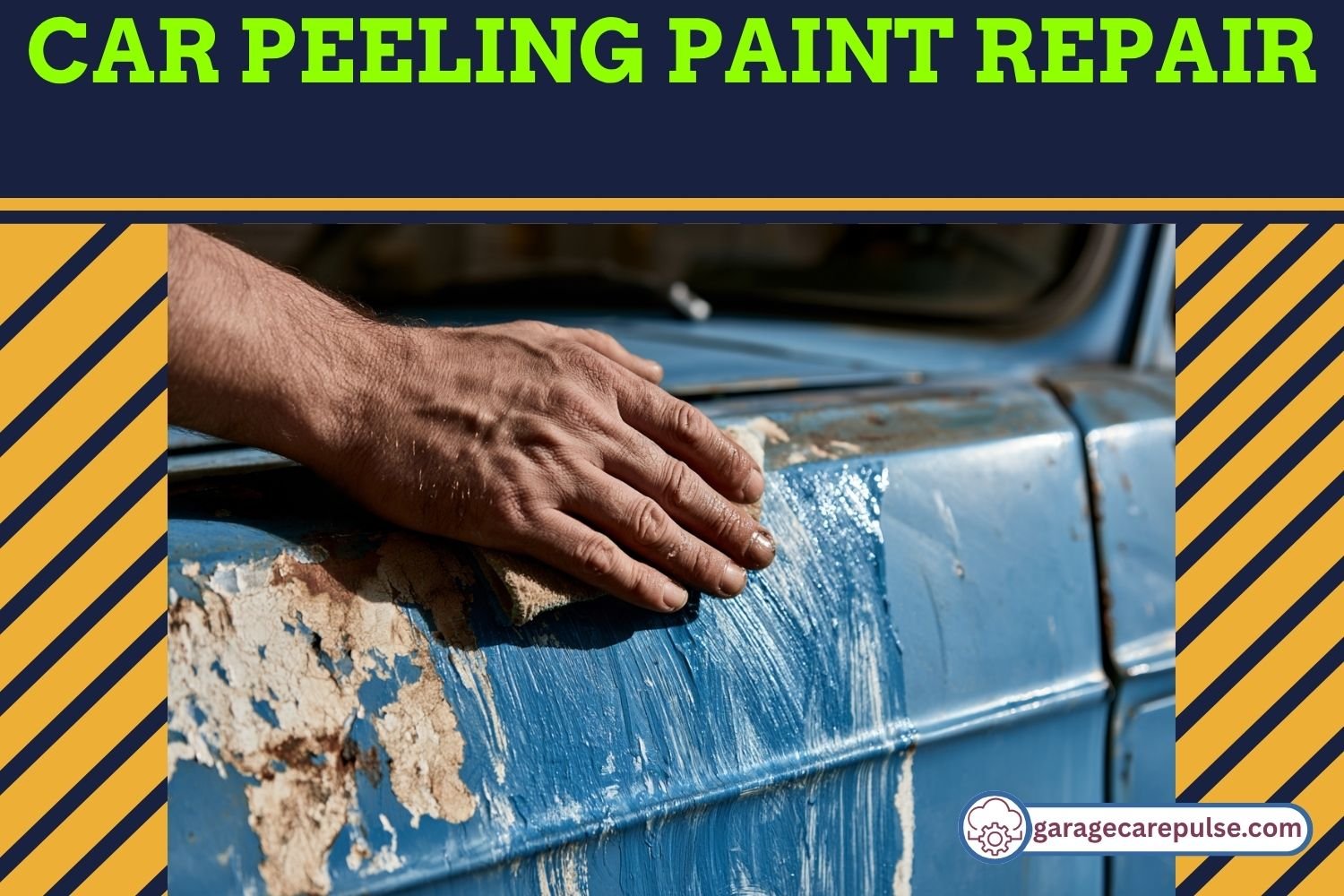
Car peeling paint repair helps restore a vehicle’s appearance and protect exposed surfaces from moisture, road salt, and further damage. Peeling paint often develops when the clear coat or base coat loses its bond because of prolonged UV exposure, poor surface preparation, or aging paint. The right repair method depends on how much of the finish has deteriorated and whether the damage reaches the primer or underlying surface. Small, localized areas may be suitable for a DIY repair using sandpaper, automotive primer, and matching spray paint. DIY kits typically cost around $40 to $90, while professional panel repainting can range from $450 to $1,000 or more. Before starting, inspect the affected area to identify loose paint, corrosion, and damaged clear coat. Proper sanding, feathering, cleaning, and degreasing help prepare the surface for a more even finish. Applying compatible primer, base coat, and clear coat is also important for achieving a durable result. Drivers in sunny or humid regions should pay attention to paint protection because harsh weather can accelerate exterior deterioration. Understanding the causes, repair methods, and expected costs helps vehicle owners choose a practical solution and avoid unnecessary restoration expenses.
Comprehensive Breakdown of Understanding Car Peeling Paint Standards
Understanding how standard Car Peeling Paint Repair: Causes, Costs & Guide requirements involve recognizing damage symptoms, repair tiers, required detailing equipment, and safety protocols helps you evaluate your precise exterior restoration needs:
Damage Category: The failure tier. Action: Highlights frequent paint issues including initial oxidation, micro-cracking, flaking edges, and base coat degradation.
Component Location Category: The hardware tier. Action: Focuses on evaluating vehicle hoods, roofs, trunk lids, and vulnerable bumper fascia.
Tool and Equipment Category: The diagnostic tier. Action: Accounts for wet/dry sandpaper, automotive primer, aerosol base coats, and masking materials.
Core Benefit Evaluation: As outlined in expert automotive service guidelines, following structured peeling paint repairs stops rust propagation, restores surface integrity, and maintains vehicle resale value.
Master Cost and Performance Matrix: Car Peeling Paint Repair Benchmarks
To help you benchmark DIY aerosol kits, independent body shop spot repairs, and dealership panel resprays across Car Peeling Paint Repair: Causes, Costs & Guide configurations, the following table outlines repair scopes, technical data, and motorist actions:
| Repair Approach | Average U.S. Cost | Estimated Time | Recommended Motorist Action |
| DIY Aerosol Repair Kit | $40 to $90 | 2 to 4 hours | Use sandpaper and aerosol color kits to fix minor peeling patches at home |
| Independent Body Shop Spot Repair | $200 to $500 | 1 day | Hire professional body shops to spot-repair and blend localized clear coat failure |
| Full Panel Respray at Dealership | $450 to $1,000+ | 2 to 3 days | Authorize complete panel respraying when peeling spreads across major body sections |
Key Legal and Workshop Safety Elements Affecting Structural Safety and Compliance
Handling automotive aerosol paints, operating sanding equipment, and ensuring consumer protection standards requires strict adherence to industry guidelines, as navigating peeling paint repairs demands careful attention:
Automotive chemical safety guidelines: Hazardous volatile organic compound (VOC) protection. Action: Wear an organic vapor respirator mask, safety glasses, and nitrile gloves during paint application.
Workspace ventilation standards: Well-ventilated garage or outdoor operations. Action: Perform aerosol painting in spaces with proper airflow to prevent toxic vapor accumulation.
Professional body shop warranty verification: Written service guarantees. Action: Verify that professional panel respraying includes a multi-year warranty against paint lifting and clear coat peeling.
Insurance policy coverage compliance: Comprehensive claim limitations. Action: Acknowledge that standard auto insurance classifies paint peeling as normal weathering rather than collision damage.
Level Assessment and Workspace Urgency
Before exploring Car Peeling Paint Repair: Causes, Costs & Guide operational guidelines, evaluate why prompt inspection and strict adherence to maintenance intervals prevent surface hazing from turning into severe clear coat peeling:
Initial Oxidation ($40 – $90 DIY Kit): The clear coat turns dull, chalky, or milky white, losing its mirror shine under sunlight.
Micro-Cracking ($200 – $500 Spot Repair): Tiny cracks appear in the clear coat, followed by edges lifting and peeling away in brittle flakes.
Base Coat Degradation ($450 – $1,000+ Respray): The colored pigment layer flakes off entirely, exposing gray primer or rust-colored steel underneath.
Urgent Rust Prevention Warning: Once peeling reaches bare metal, regional humidity and road salts will accelerate oxidation within days.
Required Tools and Equipment for Peeling Paint Repair Execution
Whether you are sanding peeling edges or spraying color-matched base coats, having the proper shop equipment ensures precise execution of Car Peeling Paint Repair: Causes, Costs & Guide evaluation tasks:
| Tool / Material | Purpose | Estimated U.S. Price |
| Wet/Dry Sandpaper Assortment (400 to 2000 grit) | Stripping failing edges and feathering paint boundaries | $10 to $20 |
| Automotive Primer & Filler | Bonding new paint to bare metal and filling edges | $12 to $25 |
| Aerosol Base Coat & Clear Coat Kit | Spraying color-matched paint and protective clear seal | $35 to $70 |
Step-by-Step Guide: Professional Execution of Peeling Paint Repair Workflow
Follow these structured steps to ensure your execution of Car Peeling Paint Repair: Causes, Costs & Guide provides a thorough and systematic approach to managing your vehicle’s exterior peeling paint restoration:
Sanding & Feathering Edges
Use medium-grit sandpaper (400-grit) to sand away all loose, peeling paint. Feather the sharp edges where peeling meets healthy paint so the transition is completely smooth.
Technician Sign: 1. Action: Eliminates loose edges and creates a smooth foundation for new paint layers.
Cleaning & Degreasing
Wipe down the sanded repair zone thoroughly with isopropyl alcohol to remove sanding dust, grease, and road oils.
Technician Sign: 2. Action: Ensures maximum chemical adhesion for primer and base coats.
Applying Primer
Spray anti-rust automotive primer over exposed metal or plastic surfaces. Let dry, then lightly sand with fine 1000-grit sandpaper.
Technician Sign: 3. Action: Protects bare metal from rust and provides a uniform bonding surface.
Base Coat & Clear Coat Application
Apply thin, even layers of factory color-matched base paint, followed by a durable 2K clear coat to seal the edges and restore UV protection.
Technician Sign: 4. Action: Restores factory color and seals the repair perimeter against moisture.
Polishing & Blending
Once fully cured, wet-sand any minor texture differences with 2500-grit paper and buff with polishing compound to blend the repair seamlessly.
Technician Sign: 5. Action: Eliminates spray transition lines for a professional finish.
Final Inspection and Protection
Inspect the repaired panel under natural light and apply a protective UV wax or ceramic coating once fully cured.
Technician Sign: 6. Action: Guarantees long-lasting protection against future solar degradation.
Regional Considerations and Weather Exposure
Regional geography and weather extremes across the United States place unique physical demands on vehicle exterior finishes, directly impacting your interpretation and reliance on any Car Peeling Paint Repair: Causes, Costs & Guide reference:
Southwest Heat & UV (Arizona, Texas, Nevada): Intense solar radiation accelerates clear coat breakdown and peeling on vehicle roofs and hoods.
Rust Belt (Midwest & Northeast): Winter road salt rapidly infiltrates peeling paint boundaries, creating aggressive rust pockets on steel panels.
Coastal Regions (Florida, California): High salt mist and humidity promote immediate oxidation under lifting paint edges.
Frequently Asked Questions (FAQs)
- Can I stop car paint from peeling once it starts?
Unfortunately, once clear coat or paint begins lifting, it cannot be glued back down. The peeling section must be sanded down, feathered, and resprayed. - How much does professional peeling paint repair cost?
Spot repairs at independent body shops typically range from $200 to $500, while full panel resprays cost between $450 and $1,000+. - Will car insurance cover peeling paint repairs?
No. Auto insurance policies classify paint peeling and clear coat failure as normal weathering and wear rather than collision damage. - Why does car paint peel in large sheets?
Peeling in sheets usually indicates a failure of the primer or factory adhesion layer, often linked to specific manufacturing defects or poor prior resprays. - Can I use a touch-up pen on peeling clear coat?
Touch-up pens are designed for narrow scratches and small rock chips, not large areas of peeling clear coat, which require sanding and spraying. - Does peeling paint cause rust?
Yes! When paint and clear coat peel away, bare metal is directly exposed to moisture and oxygen, leading to rust formation. - How long does a body shop panel respray take?
Most professional auto body shops complete single-panel peeling paint repairs in 2 to 3 days. - How can I prevent my car paint from peeling?
Regularly wash your car, apply a UV-blocking ceramic coating or synthetic wax every 6 months, and park in shaded garages when possible.
Final Practical Takeaway
Addressing car peeling paint repair promptly prevents minor clear coat failure from turning into costly rust remediation. Whether tackling a small spot with a DIY aerosol kit or trusting a professional U.S. body shop for a full panel respray, keeping your vehicle’s exterior sealed protects its long-term value.