Introduction
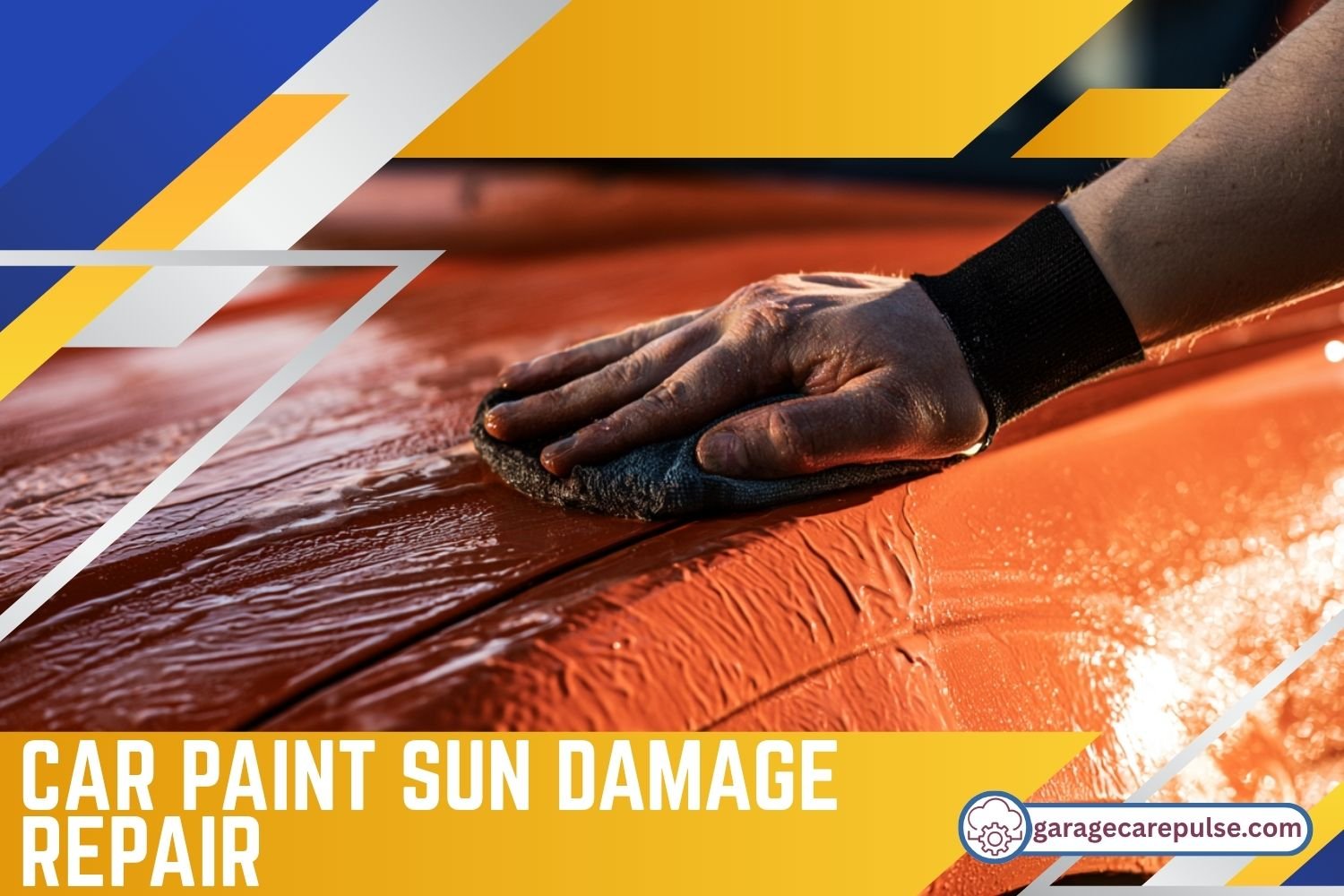
Car paint sun damage repair helps restore faded, dull, or oxidized paint caused by prolonged exposure to ultraviolet (UV) radiation. Constant sunlight and high temperatures can gradually break down the protective clear coat, leaving the vehicle’s exterior looking worn and uneven. Early oxidation may respond well to polishing compounds and paint correction, while peeling or severely damaged clear coat usually requires repainting. In the United States, DIY oxidation removal kits typically cost around $40 to $100. Professional paint correction and polishing may cost several hundred dollars, depending on the vehicle’s condition. A complete clear coat respray can range from $400 to $900 or more. Before choosing a repair method, technicians inspect the paint surface to determine whether the damage affects only the clear coat or extends into the base paint. Proper washing, decontamination, and surface preparation are important for achieving lasting results. Applying suitable paint protection after restoration can help reduce future UV exposure and oxidation. Understanding the causes, repair methods, and estimated costs helps vehicle owners protect their car’s finish and plan an effective restoration.
Comprehensive Breakdown of Understanding Car Paint Sun Damage Standards
Understanding how standard Car Paint Sun Damage Repair: Causes, Costs & Fixes requirements involve recognizing damage symptoms, repair tiers, required detailing equipment, and safety protocols helps you evaluate your precise exterior restoration needs:
Damage Category: The failure tier. Action: Highlights frequent paint issues including chalky oxidation, base coat color fading, clear coat micro-cracking, and patch peeling.
Component Location Category: The hardware tier. Action: Focuses on evaluating horizontal vehicle surfaces including hoods, roofs, and trunk lids.
Tool and Equipment Category: The diagnostic tier. Action: Accounts for dual-action polishers, heavy cutting compounds, microfiber pads, and UV ceramic coatings.
Core Benefit Evaluation: As outlined in expert automotive service guidelines, following structured sun damage repairs restores optical clarity, seals out moisture, and maintains vehicle resale value.
Master Cost and Performance Matrix: Car Paint Sun Damage Repair Benchmarks
To help you benchmark DIY kits, professional paint correction, and clear coat resprays across Car Paint Sun Damage Repair: Causes, Costs & Fixes configurations, the following table outlines repair scopes, technical data, and motorist actions:
| Repair / Restoration Method | Average U.S. Cost | Estimated Time | Recommended Motorist Action |
| DIY Oxidation Correction Kit | $40 to $100 | 3 to 5 hours | Use orbital polishers and compounding kits to remove early-stage chalky oxidation at home |
| Professional Paint Correction (Buffing) | $250 to $600 | 1 day | Hire professional detailers to restore mirror gloss across moderately faded paint surfaces |
| Professional Clear Coat Respray (Per Panel) | $400 to $900+ | 2 to 4 days | Authorize body shop panel respraying when clear coat failure causes peeling down to base paint |
Key Legal and Workshop Safety Elements Affecting Structural Safety and Compliance
Handling automotive polishing chemicals, operating high-speed orbital machinery, and ensuring consumer protection standards require strict adherence to industry guidelines, as navigating sun damage repairs demands careful attention:
Automotive detailing chemical safety guidelines: Proper personal protective equipment usage. Action: Wear safety glasses and nitrile gloves when handling chemical polishes and ceramic coatings.
Workspace thermal control standards: Shaded garage or carport operations. Action: Perform paint restoration work out of direct sunlight to prevent chemical baking on hot body panels.
Professional body shop warranty verification: Written service guarantees. Action: Verify that professional panel respraying includes a multi-year warranty against clear coat peeling and fading.
Insurance policy coverage compliance: Comprehensive claim limitations. Action: Acknowledge that standard auto insurance classifies sun fading as normal wear rather than collision damage.
Level Assessment and Workspace Urgency
Before exploring Car Paint Sun Damage Repair: Causes, Costs & Fixes operational guidelines, evaluate why prompt inspection and strict adherence to maintenance intervals prevent surface hazing from turning into severe clear coat peeling:
Early Stage Oxidation ($40 – $100 DIY): Paint loses its mirror gloss, feeling chalky or hazy to the touch; easily correctable with compounding.
Moderate Stage Fading ($250 – $600 Pro Buffing): Pigmented base coat loses color depth, especially on horizontal surfaces like roofs and hoods.
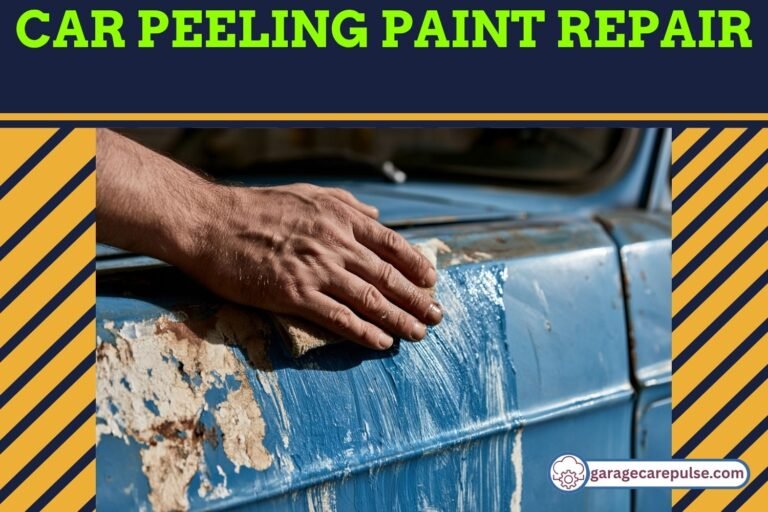
Severe Stage Clear Coat Failure ($400 – $900+ Respray): Protective clear coat cracks, flakes, or peels away in patches, exposing raw base paint.
Urgent Panel Respray Warning: Unaddressed clear coat peeling spreads rapidly during rainstorms, eventually exposing bare metal to destructive rust.
Required Tools and Equipment for Sun Damage Repair Execution
Whether you are compounding with an orbital polisher or applying ceramic sealants, having the proper detailing equipment ensures precise execution of Car Paint Sun Damage Repair: Causes, Costs & Fixes evaluation tasks:
| Tool / Product | Purpose | Estimated U.S. Price |
| Heavy Cutting Compound | Removes oxidized dead paint and clear coat layers | $15 to $30 |
| Dual-Action Orbital Polisher | Accelerates paint correction and oxidation removal | $70 to $160 |
| UV Ceramic Coating or Sealant | Shields restored paint from future solar degradation | $25 to $60 |
Step-by-Step Guide: Professional Execution of Sun Damage Repair Workflow
Follow these structured steps to ensure your execution of the Car Paint Sun Damage Repair: Causes, Costs & Fixes guidelines provides a thorough and systematic approach to managing your vehicle’s exterior sun damage restoration:
Thorough Wash & Decontamination
Wash the vehicle thoroughly to remove surface dirt. Use a clay bar treatment to extract microscopic embedded pollutants from the oxidized clear coat.
Technician Sign: 1. Action: Prepares paint pores for corrective compounding.
Paint Inspection
Inspect the damage. If the paint is chalky and oxidized, compounding will fix it. If the clear coat is peeling off in flakes, DIY compounding will not work, and professional respraying is required.
Technician Sign: 2. Action: Determines whether DIY polishing or body shop repainting is necessary.
Heavy Cutting Compounding
Apply cutting compound to an orbital polisher pad. Work in small 2×2 foot sections using overlapping passes to strip away dead, oxidized clear coat.
Technician Sign: 3. Action: Eliminates the hazy, chalky layer of UV-damaged clear coat.
Fine Polishing
Switch to a finishing polish and soft pad to remove compound hazing and restore deep, mirror-like optical clarity to the paint.
Technician Sign: 4. Action: Restores high-gloss reflection and smooth surface finish.
UV Protection Sealing
Apply a high-grade ceramic coating, synthetic sealant, or UV-blocking wax immediately to protect the fresh clear coat from future sun degradation.
Technician Sign: 5. Action: Shields the restored paint pores against recurring UV breakdown.
Final Inspection and Curing
Allow the ceramic coating or sealant to cure fully in a shaded environment before exposing the vehicle to weather elements.
Technician Sign: 6. Action: Guarantees long-lasting protection and finish durability.
Regional Considerations and Weather Exposure
Regional geography and weather extremes across the United States place unique physical demands on vehicle exterior finishes, directly impacting your interpretation and reliance on any Car Paint Sun Damage Repair: Causes, Costs & Fixes reference:
Southwest Heat & Sun (Arizona, Nevada, Texas): Intense solar UV radiation causes rapid paint oxidation and clear coat failure within a few years if vehicles are parked outdoors.
Coastal Regions (Florida, California): Combined high humidity, salt air, and strong UV rays accelerate clear coat breakdown and paint fading.
Northern States (Rust Belt): Seasonal temperature extremes combined with intense summer sun cause clear coats to expand and contract, forming micro-cracks.
Frequently Asked Questions (FAQs)
- Can sun-damaged car paint be repaired without repainting?
Yes, if the damage is limited to surface oxidation and hazing, professional compounding and polishing can completely restore the finish. However, peeling clear coat requires repainting. - How much does professional sun damage repair cost?
Paint correction buffing typically costs between $250 and $600, while repainting peeling clear coat panels at an auto body shop ranges from $400 to $900+ per panel. - Will car insurance cover paint sun damage?
No. Standard auto insurance policies classify sun fading and clear coat peeling as normal wear and tear rather than accidental collision damage. - How can I prevent my car paint from sun damage?
Park in shaded areas or garages whenever possible, use a quality car cover, and apply a ceramic coating or UV-blocking synthetic wax every 6 months. - Why does sun damage mostly affect the hood and roof?
Horizontal body panels receive direct, perpendicular sunlight overhead, whereas vertical doors and fenders receive angled sunlight with less intensity. - Can I use rubbing compound by hand for sun-damaged paint?
While hand compounding works for tiny spots, restoring an entire sun-faded hood or roof requires a dual-action orbital polisher to achieve uniform results. - How long does a ceramic coating protect against UV rays?
Professional-grade ceramic coatings provide durable UV and oxidation protection lasting anywhere from 2 to 5 years. - Does sun-damaged paint lower car trade-in value?
Yes, visible paint fading and peeling clear coat signal neglect to dealerships, often reducing trade-in and resale value by hundreds or thousands of dollars.
Final Practical Takeaway
Investing in timely car paint sun damage repair is vital for restoring your vehicle’s aesthetic appeal and preventing underlying metal oxidation from leading to costly rust issues. By tackling minor clear coat fading early with proper polishing and protective UV sealants, or opting for professional refinishing when paint failure occurs, you preserve your vehicle’s exterior finish. Ultimately, maintaining your car’s paintwork protects its body panels against harsh environmental elements, maintains its overall structural integrity, and safeguards its long-term resale value.