Introduction
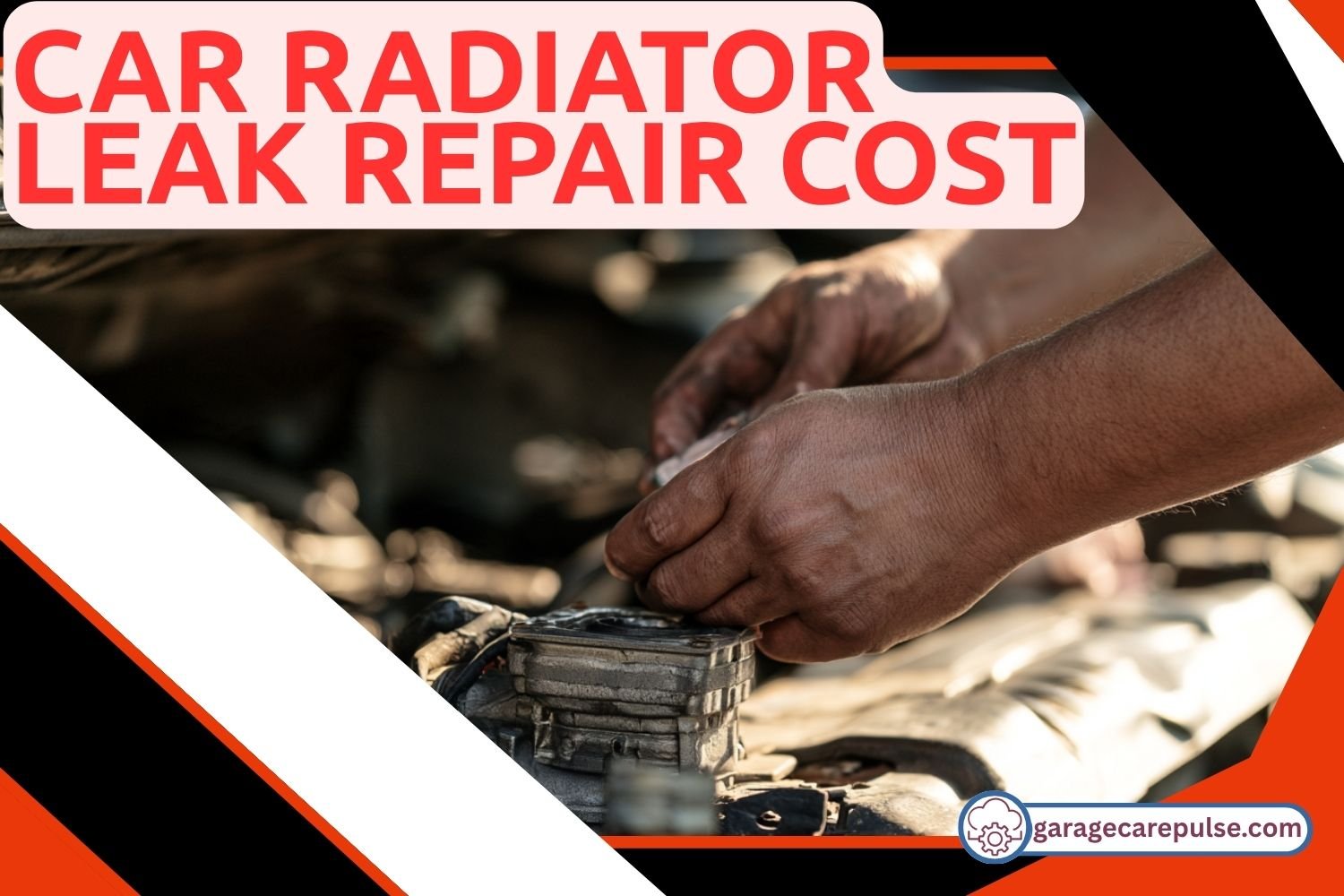
Car radiator leak repair cost depends on the source of the leak, the vehicle model, and whether the radiator can be repaired or needs complete replacement. Coolant leaking beneath a vehicle may appear green, orange, pink, or another color, depending on the coolant type. Ignoring a leak can lead to low coolant levels, engine overheating, and expensive engine damage. In the United States, DIY stop-leak products may cost around $15 to $40, but they are not a reliable solution for every type of leak. Professional radiator replacement can range from approximately $450 to $900 or more, depending on parts and labor. Before recommending a repair, mechanics usually inspect the cooling system and perform a pressure test to locate the leak. Minor leaks may sometimes be repaired, while cracks or severe corrosion often require a new radiator. Repair costs can also include fresh coolant, hoses, clamps, and additional labor. Avoid driving an overheating vehicle, as continued operation can cause serious engine damage. Understanding common leak symptoms, repair options, and estimated prices helps drivers choose the right solution and plan their maintenance budget.
Comprehensive Breakdown of Understanding Car Radiator Leak Standards
Understanding how standard Car Radiator Leak Repair Cost: U.S. Price Guide requirements involve recognizing damage symptoms, repair tiers, required mechanical equipment, and safety protocols helps you evaluate your precise cooling system restoration needs:
Damage Category: The failure tier. Action: Highlights frequent cooling issues including engine overheating spikes, low coolant puddles, and sweet-smelling white exhaust smoke.
Component Location Category: The hardware tier. Action: Focuses on evaluating aluminum radiator cores, plastic end tanks, transmission cooler lines, and upper/lower hoses.
Tool and Equipment Category: The diagnostic tier. Action: Accounts for cooling system pressure testers, stop-leak additives, OEM-spec antifreeze, and drain pans.
Core Benefit Evaluation: As outlined in expert automotive service guidelines, following structured radiator leak repairs prevents blown head gaskets, restores operating temperatures, and maintains vehicle reliability.
Master Cost and Performance Matrix: Car Radiator Leak Repair Benchmarks
To help you benchmark DIY stop-leak additives, specialty core welding, and full radiator replacements across Car Radiator Leak Repair Cost: U.S. Price Guide configurations, the following table outlines repair scopes, technical data, and motorist actions:
| Repair Approach | Average U.S. Cost (DIY) | Average U.S. Shop Cost | Recommended Motorist Action |
| Stop-Leak Additive & Coolant Top-Off | $15 to $40 | $70 to $150 | Use stop-leak additives as a temporary emergency measure for minor pinhole leaks |
| Specialty Radiator Core Patch / Weld | $50 to $100 | $150 to $350 | Hire specialty radiator shops to patch localized metal cracks when feasible |
| Full Radiator Replacement & Coolant Flush | $150 to $350 | $450 to $900+ | Authorize full radiator replacement when plastic tanks or cores suffer severe structural leaks |
Key Legal and Workshop Safety Elements Affecting Structural Safety and Compliance
Handling toxic ethylene glycol coolant, operating pressurized cooling system testing equipment, and ensuring consumer protection standards requires strict adherence to industry guidelines, as navigating radiator leak repairs demands careful attention:
Environmental toxic waste safety guidelines: Ethylene glycol disposal regulations. Action: Always drain coolant into a sealed container and recycle it at a local U.S. auto parts store.
Cooling system thermal pressure safety standards: Hot engine cap removal prevention. Action: Never remove a radiator cap while the engine is hot; pressurized boiling coolant causes severe skin burns.
Professional auto repair shop warranty verification: Written service guarantees. Action: Verify that professional radiator replacements include a multi-year warranty covering parts and labor.
Insurance policy coverage compliance: Comprehensive claim limitations. Action: Acknowledge that standard auto insurance covers radiator damage resulting from collisions, but normal wear and corrosion are excluded.
Level Assessment and Workspace Urgency
Before exploring Car Radiator Leak Repair Cost: U.S. Price Guide operational guidelines, evaluate why prompt inspection and strict adherence to maintenance intervals prevent minor pinhole leaks from turning into catastrophic engine failures:
Minor Pinhole Leak ($15 – $40 DIY Stop-Leak): Stop-leak additives temporarily seal tiny leaks while you monitor coolant levels.
Localized Core Crack ($50 – $350 Specialty Patch): Specialty welding or patching fixes localized cracks before complete component failure occurs.
End-Tank Separation ($450 – $900+ Full Replacement): Plastic end-tank seams fail under thermal stress, requiring full radiator core replacement.
Urgent Engine Overheating Warning: Continuing to drive with a leaking radiator can warp engine cylinders and blow head gaskets within minutes.
Required Tools and Equipment for Radiator Leak Repair Execution
Whether you are pressure testing cooling systems or replacing radiator assemblies, having the proper shop equipment ensures precise execution of Car Radiator Leak Repair Cost: U.S. Price Guide evaluation tasks:
| Tool / Material | Purpose | Estimated U.S. Price |
| Radiator Stop-Leak Additive | Temporarily sealing small pinhole leaks | $10 to $25 |
| Cooling System Pressure Tester | Pressurizing the system to locate hidden leaks | $40 to $90 (or rental) |
| Fresh Coolant / Antifreeze (OEM Spec) | Refilling system after repairs | $20 to $35 |
Step-by-Step Guide: Professional Execution of Radiator Leak Repair Workflow
Follow these structured steps to ensure your execution of the Car Radiator Leak Repair Cost: U.S. Price Guide guidelines provides a thorough and systematic approach to managing your vehicle’s cooling system restoration:
Pressure Testing
Attach a cooling system pressure tester to the radiator neck, pump up pressure to 15 PSI, and look for fluid spraying or dripping from the radiator core.
Technician Sign: 1. Action: Identifies exact leak locations without risking engine overheating.
Draining Coolant
Place a drain pan beneath the radiator petcock, open it, and drain coolant until the fluid level drops below the leak zone.
Technician Sign: 2. Action: Prevents toxic spills and lowers fluid levels for safe component removal.
Stop-Leak or Patch Application
For minor pinholes, pour stop-leak additive into the radiator. For larger cracks, professional welding or complete radiator replacement is required.
Technician Sign: 3. Action: Seals minor leaks or prepares the vehicle for hardware replacement.
Radiator Replacement (If Needed)
Disconnect transmission cooler lines, fan shrouds, and upper/lower hoses. Unbolt the old radiator assembly and drop in a new replacement unit.
Technician Sign: 4. Action: Resolves major structural cracks and failing plastic end tanks.
Refill and Bleed Air
Refill the system with fresh coolant mixture, run the engine with the heater on, and bleed all trapped air bubbles from the cooling system.
Technician Sign: 5. Action: Restores proper fluid volume and eliminates air pockets that cause overheating.
Final Inspection and Road Test
Monitor temperature gauges and inspect connections under operating pressure to ensure zero leaks remain before returning the vehicle to service.
Technician Sign: 6. Action: Guarantees cooling system reliability across daily U.S. driving conditions.
Regional Considerations and Weather Exposure
Regional geography and weather extremes across the United States place unique physical demands on vehicle cooling systems, directly impacting your interpretation and reliance on any Car Radiator Leak Repair Cost: U.S. Price Guide reference:
Rust Belt & Winter States (Midwest & Northeast): Winter road salt corrosion weakens aluminum radiator fins and hose connections, leading to premature leaks.
Southwest Heat (Arizona, Texas): Extreme ambient temperatures push cooling systems to maximum capacity, stressing aging plastic radiator tanks.
Mountain Regions (Rockies): Steep grades elevate cooling system pressures, causing weak points in radiator cores to rupture.
Frequently Asked Questions (FAQs)
- What is the average car radiator leak repair cost in the USA?
Stop-leak additives cost $15 to $40, professional radiator repairs range from $150 to $350, and full radiator replacements cost between $450 and $900+. - Do radiator stop-leak products really work?
Yes, stop-leak additives work well as temporary fixes for minor pinhole leaks, but they are not a permanent solution for cracked radiator cores or broken plastic tanks. - Can I drive my car with a leaking radiator?
No. Driving with a leaking radiator risks losing all coolant, causing severe engine overheating, warped cylinder heads, and blown head gaskets. - How long does a professional radiator replacement take?
Most certified auto repair shops complete radiator replacements and coolant system bleeding in 2 to 4 hours. - Why is my radiator leaking at the plastic tank seam?
Modern radiators feature aluminum cores crimped to plastic end tanks with rubber gaskets. Over years of thermal expansion and contraction, these rubber gaskets dry out and leak. - Does car insurance cover radiator leak repairs?
No. Standard auto insurance covers radiator damage resulting from traffic collisions, but normal wear, corrosion, and leaks are considered maintenance. - How often should coolant be flushed to prevent leaks?
It is generally recommended to flush and replace your vehicle’s engine coolant every 30,000 to 50,000 miles to prevent internal corrosion. - How can I test my radiator for hidden leaks?
Using a cooling system pressure tester allows you to pressurize the system while cold and easily spot where coolant is dripping.
Final Practical Takeaway
Understanding car radiator leak repair costs helps you choose between temporary stop-leak solutions and permanent radiator replacement. Addressing coolant leaks promptly protects your engine against catastrophic overheating and costly repairs across the U.S.