
Introduction
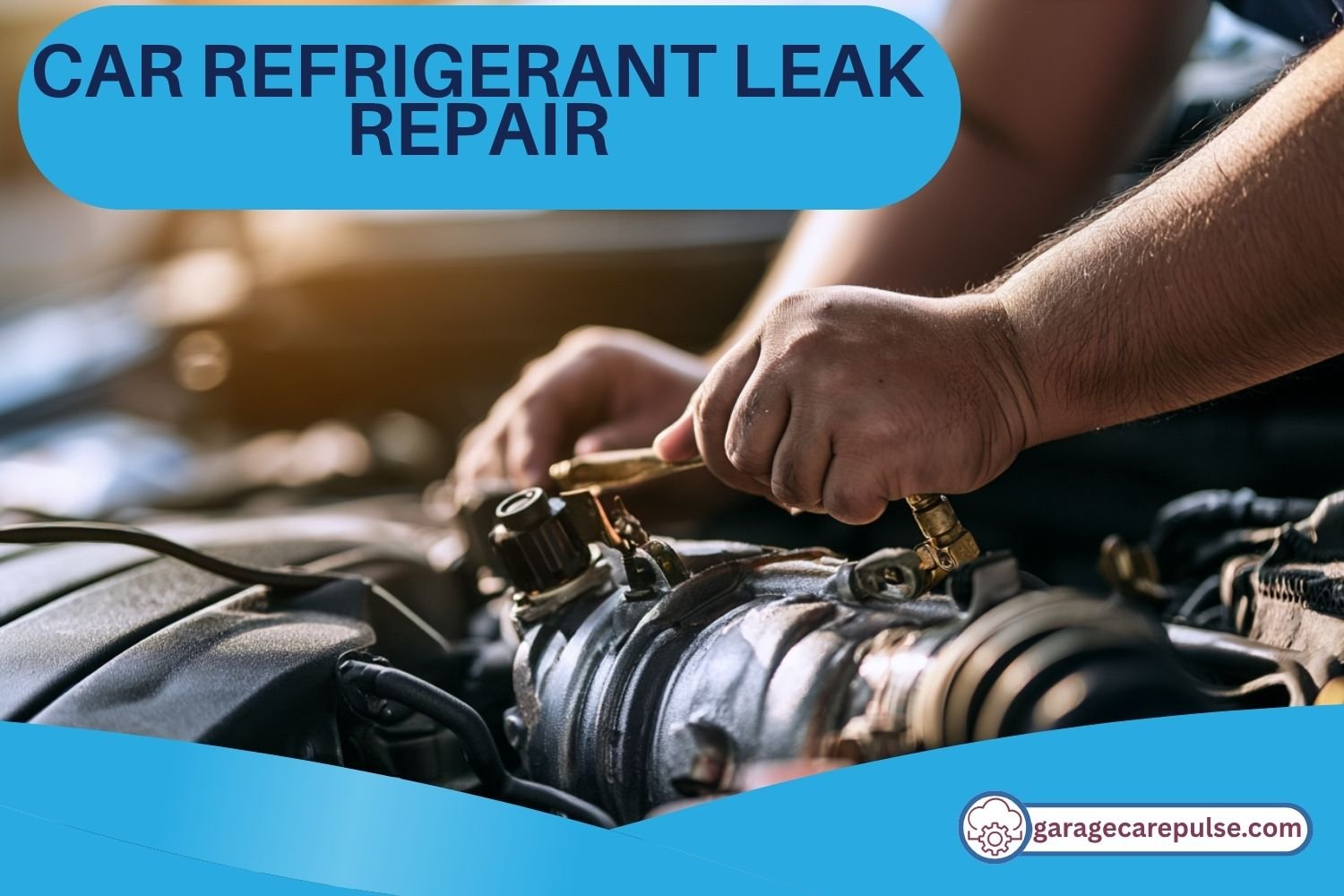
Car refrigerant leak repair helps restore your vehicle’s air conditioning and prevent refrigerant from escaping through damaged components. A leak can cause weak cooling, warm air from the vents, or poor compressor performance, especially during hot summer weather. Common leak locations include hoses, O-rings, condenser coils, evaporator cores, and service connections. A simple UV leak detection kit may cost around $30 to $60, while professional repairs vary based on the damaged component. Replacing an evaporator core can cost approximately $900 to $1,800 or more because the job often requires extensive dashboard removal and labor. Although DIY recharge cans may seem affordable, adding refrigerant without fixing the leak usually provides only temporary relief. Professional technicians use specialized leak detectors, pressure testing, and vacuum equipment to identify the problem and check system performance. Refrigerant handling may also be subject to environmental regulations, so some repairs require certified service. Once the leak is repaired, the system can be properly evacuated, recharged, and tested. Understanding the warning signs, repair options, and potential expenses helps drivers make informed decisions about restoring reliable cabin cooling.
Comprehensive Breakdown of Understanding Car Refrigerant Leak Standards
Understanding how standard Car Refrigerant Leak Repair & AC Recharge Guide (2026) requirements involve recognizing damage symptoms, repair tiers, required mechanical equipment, and safety protocols helps you evaluate your precise HVAC restoration needs:
Damage Category: The failure tier. Action: Highlights frequent air conditioning issues, including warm air blowing, compressor clutch failure, and oily component residue.
Component Location Category: The hardware tier. Action: Focuses on evaluating front-mounted AC condensers, rubber O-ring seals, metal refrigerant lines, and internal evaporator cores.
Tool and Equipment Category: The diagnostic tier. Action: Accounts for UV leak detection kits, AC manifold gauge sets, electronic leak detectors, and OEM-spec refrigerants.
Core Benefit Evaluation: As outlined in expert automotive HVAC service guidelines, following structured refrigerant leak repairs prevents compressor burnout, restores cabin cooling, and maintains vehicle comfort.
Master Cost and Performance Matrix: Car Refrigerant Leak Repair Benchmarks
To help you benchmark DIY UV dye testing, condenser replacements, and deep dash evaporator core repairs across Car Refrigerant Leak Repair & AC Recharge Guide (2026) configurations, the following table outlines repair scopes, technical data, and motorist actions:
| Repair / Service | Average U.S. Cost (DIY) | Average U.S. Shop Cost | Recommended Motorist Action |
| AC Leak Detection (UV Dye / Pressure Test) | $30 to $60 | $120 to $250 | Use UV dye kits and manifold gauges to pinpoint invisible gas leaks accurately |
| AC Condenser Replacement & Recharge | $150 to $350 | $450 to $900 | Replace front-mounted condensers damaged by road debris or corrosion |
| Evaporator Core Replacement (Deep Dash Labor) | $200 to $400 | $900 to $1,800+ | Authorize professional dashboard disassembly for internal core leaks |
Key Legal and Workshop Safety Elements Affecting Environmental Compliance
Handling high-pressure refrigerant gases, complying with U.S. EPA Clean Air Act regulations, and ensuring consumer protection standards requires strict adherence to industry guidelines, as navigating AC refrigerant leak repairs demands careful attention:
EPA Clean Air Act legal regulations: Prohibition of intentional gas venting. Action: Under U.S. EPA Clean Air Act regulations, venting refrigerant intentionally into the atmosphere is illegal; always use certified recovery equipment.
High-pressure system frostbite safety standards: Personal protective equipment compliance. Action: Refrigerant under pressure can cause severe frostbite and eye injury upon contact; always wear safety glasses and gloves.
Professional auto repair shop warranty verification: Written service guarantees. Action: Verify that professional AC repairs and compressor replacements include a robust parts and labor warranty.
Insurance policy coverage compliance: Comprehensive claim limitations. Action: Acknowledge that standard auto insurance excludes normal HVAC wear, O-ring degradation, and seal corrosion.
Level Assessment and Workspace Urgency
Before exploring Car Refrigerant Leak Repair & AC Recharge Guide (2026) operational guidelines, evaluate why prompt inspection and strict adherence to maintenance intervals prevent minor O-ring leaks from turning into catastrophic compressor seizures:
Minor O-ring / Service Valve Leak ($30 – $60 DIY UV Test): UV dye kits help trace minor leaks at service ports or hose fittings before total pressure loss occurs.
Condenser Core Puncture ($150 – $900 Replacement): Road debris impacts crack condenser fins, requiring immediate component swap and system recharge.
Evaporator Core Failure ($900 – $1,800+ Deep Dash Repair): Internal dashboard core leaks require extensive technician labor to remove the dash assembly.
Urgent Compressor Seizure Warning: Running an AC compressor with little to no refrigerant and lubricating oil will overheat and seize the compressor pump.
Required Tools and Equipment for Refrigerant Leak Repair Execution
Whether you are performing UV dye inspections or vacuum testing air conditioning loops, having the proper shop equipment ensures precise execution of Car Refrigerant Leak Repair & AC Recharge Guide (2026) evaluation tasks:
| Tool / Material | Purpose | Estimated U.S. Price |
| UV Leak Detection Kit (Dye & Glasses & Light) | Locating invisible refrigerant leaks under ultraviolet light | $25 to $50 |
| AC Manifold Gauge Set | Measuring high- and low-side system operating pressures | $50 to $120 |
| Electronic Refrigerant Leak Detector | Sniffing out microscopic gas leaks around fittings | $40 to $100 |
Step-by-Step Guide: Professional Execution of Refrigerant Leak Repair Workflow
Follow these structured steps to ensure your execution of the Car Refrigerant Leak Repair & AC Recharge Guide (2026) guidelines provides a thorough and systematic approach to managing your vehicle’s air conditioning restoration:
UV Dye Injection & System Run
Inject UV fluorescent dye into the low-side AC port, turn the AC on maximum, and run for 15 minutes to circulate dye throughout the lines.
Technician Sign: 1. Action: Prepares the system by distributing traceable fluorescent dye across all internal circuits.
Scanning with UV Light
Wear UV safety glasses and sweep a UV flashlight across all AC components, hoses, condenser coils, and service ports to spot glowing green leak traces.
Technician Sign: 2. Action: Pinpoints exact leak locations without guesswork.
Evacuating and Repairing
Have a certified shop evacuate residual gas, then replace damaged hoses, O-rings, leaking condensers, or faulty compressors.
Technician Sign: 3. Action: Removes contaminated gas safely and replaces compromised hardware components.
Vacuum Testing
Connect a vacuum pump to draw a deep vacuum on the AC system for 30 minutes to boil out moisture and verify the system holds pressure.
Technician Sign: 4. Action: Ensures zero leaks exist and eliminates destructive moisture from the HVAC loop.
Recharging to Factory Spec
Recharge the exact weight of refrigerant (R-134a or R-1234yf) and PAG oil specified on your vehicle under-hood sticker using a manifold gauge set.
Technician Sign: 5. Action: Restores optimal refrigerant charge and cooling performance.
Final Performance Testing and Vent Check
Monitor vent discharge temperatures and manifold pressures under operating conditions to ensure ice-cold cabin airflow before customer delivery.
Technician Sign: 6. Action: Guarantees long-term air conditioning reliability across daily U.S. driving conditions.
Regional Considerations and Weather Exposure
Regional geography and weather extremes across the United States place unique physical demands on vehicle climate control systems, directly impacting your interpretation and reliance on any Car Refrigerant Leak Repair & AC Recharge Guide (2026) reference:
Southwest Heat & Desert States (Arizona, Texas, Nevada): High ambient temperatures cause AC systems to operate at maximum pressures, accelerating O-ring degradation and hose leaks.
Coastal Regions (Florida, California): Salt air corrosion attacks aluminum AC condenser fins and metal line fittings.
Rust Belt & Winter States: Road salt and moisture rust compressor mounting brackets and line connections.
Frequently Asked Questions (FAQs)
- How much does professional car refrigerant leak repair cost?
Diagnosing and fixing AC leaks at a U.S. auto shop ranges from $150 for minor O-ring/valve fixes to $900+ for condenser or evaporator replacements. - Can I use a DIY AC recharge can to fix a leak?
A DIY recharge can with stop-leak additives may temporarily mask very slow leaks, but it will not fix ruptured hoses or cracked condensers. - Why is my car AC blowing warm air?
Warm air usually indicates low refrigerant levels caused by a leak, a failing compressor, or an electrical switch failure. - How long does a car AC recharge last?
A properly sealed and charged AC system should last for the remaining lifetime of the vehicle without needing frequent recharges. - What is the difference between R-134a and R-1234yf refrigerants?
R-134a is used in older vehicles, while newer cars (typically 2017+) use eco-friendly R-1234yf refrigerant, which is significantly more expensive to purchase and service. - Is it illegal to vent car refrigerant into the air in the U.S.?
Yes, under EPA Clean Air Act rules, releasing ozone-depleting or greenhouse refrigerant gases into the atmosphere is strictly illegal. - Why is evaporator core replacement so expensive?
The evaporator core is located deep inside the dashboard housing, requiring mechanics to remove the entire dash assembly, resulting in high labor hours. - How can I find a refrigerant leak at home?
Using a UV leak detection kit with dye and glasses allows you to spot glowing green fluid leaking from joints and components.
Final Practical Takeaway
Car refrigerant leak repair is essential for keeping your vehicle’s air conditioning ice cold and protecting your compressor from burnout. Whether utilizing UV dye leak detection kits or investing in professional shop repairs across the U.S., addressing AC leaks promptly ensures comfortable driving all summer long.